

The Ruins of Ani in Contemporary Painting from Armenia Item Info
- Description:
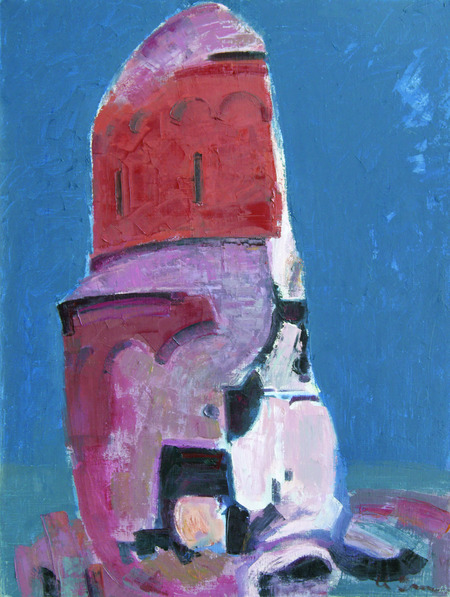
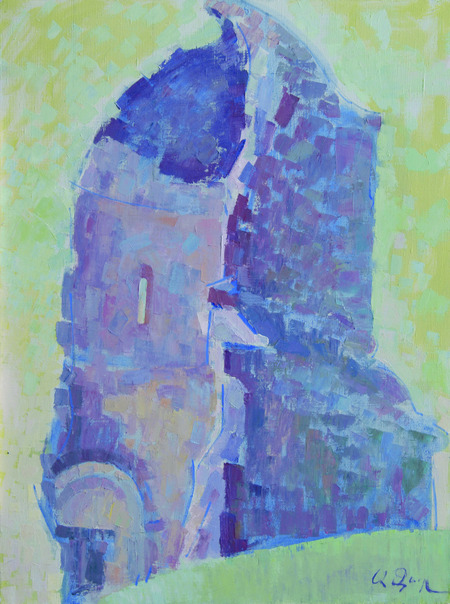
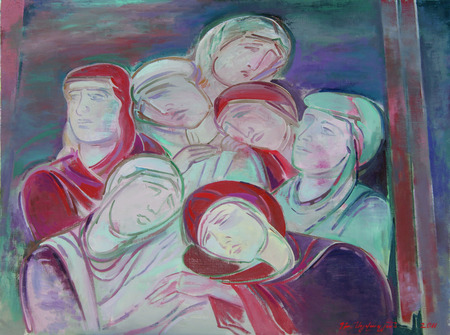
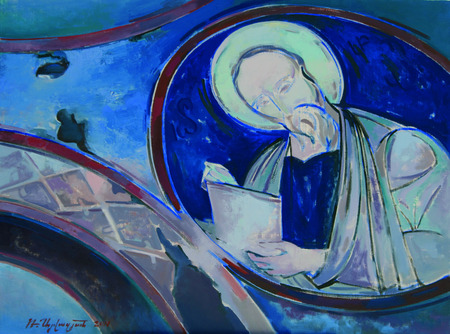
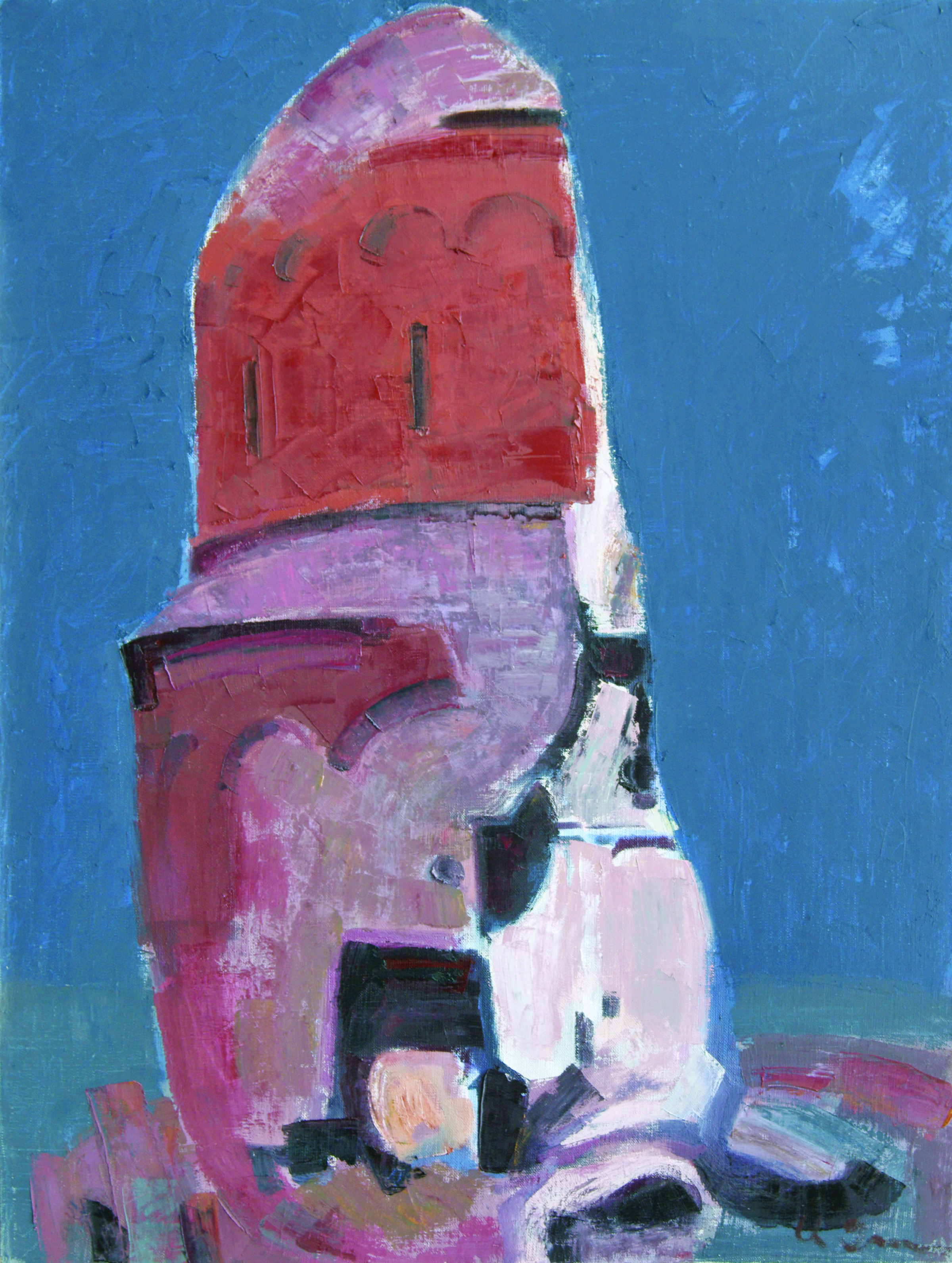
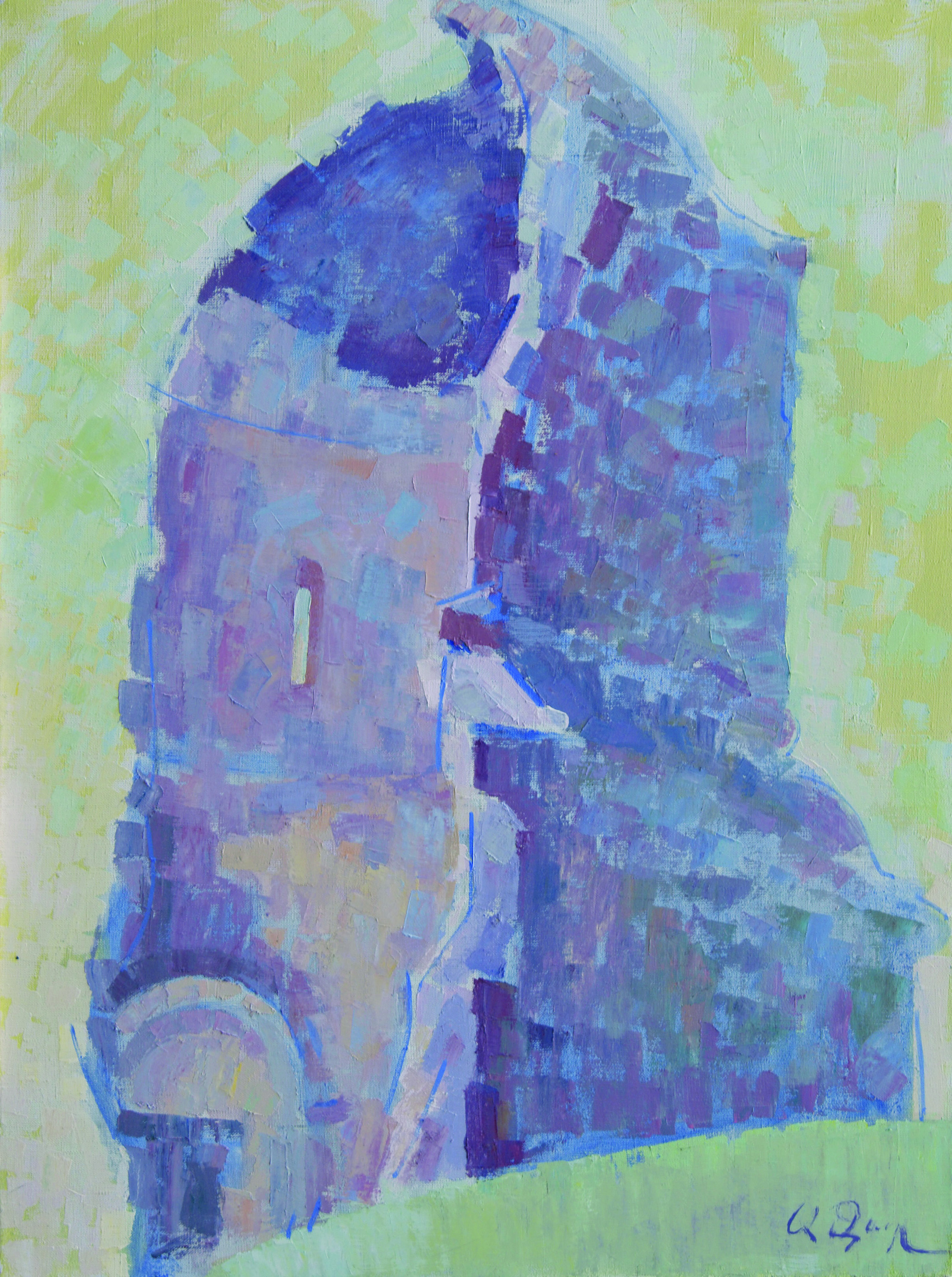
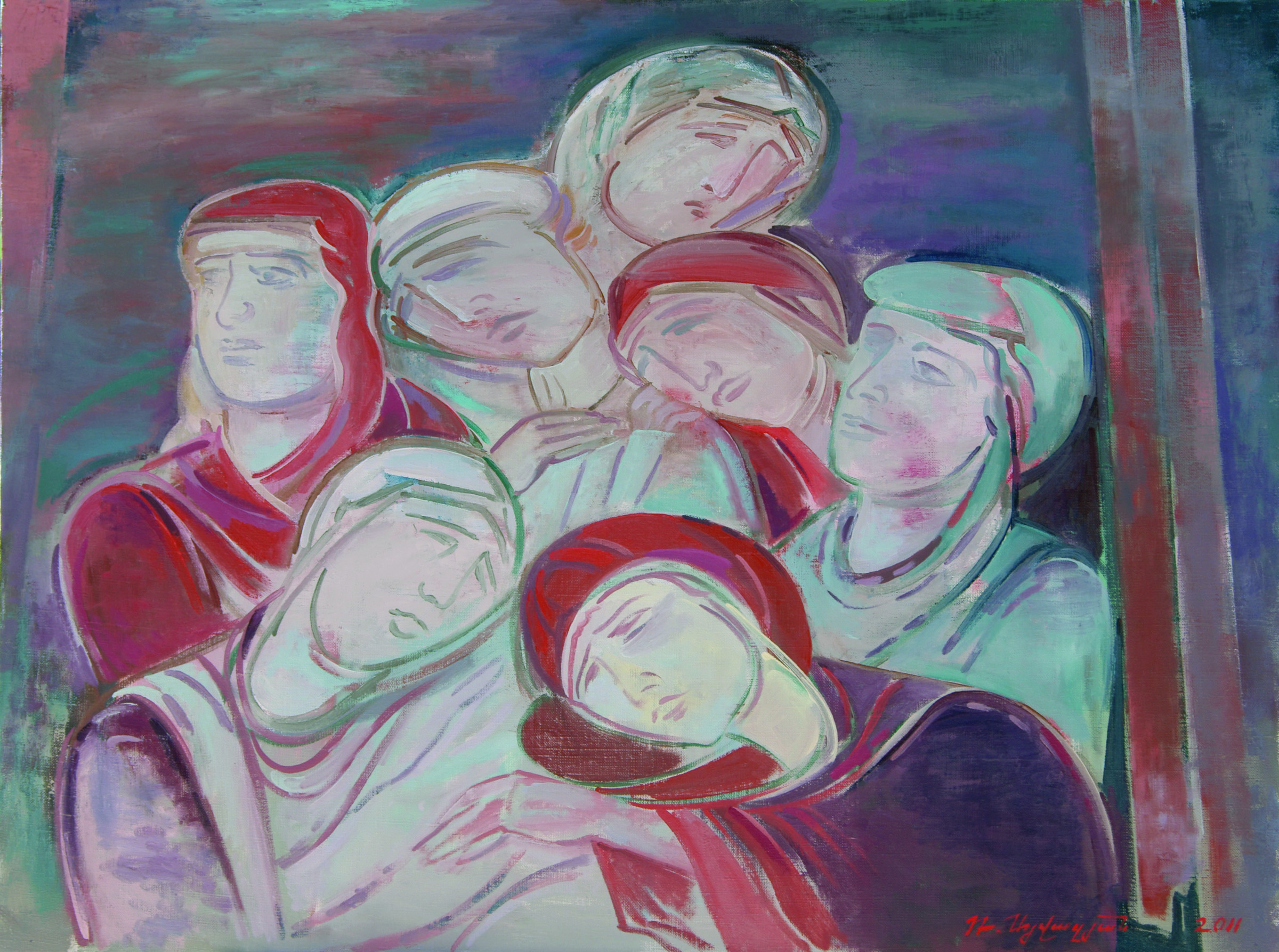
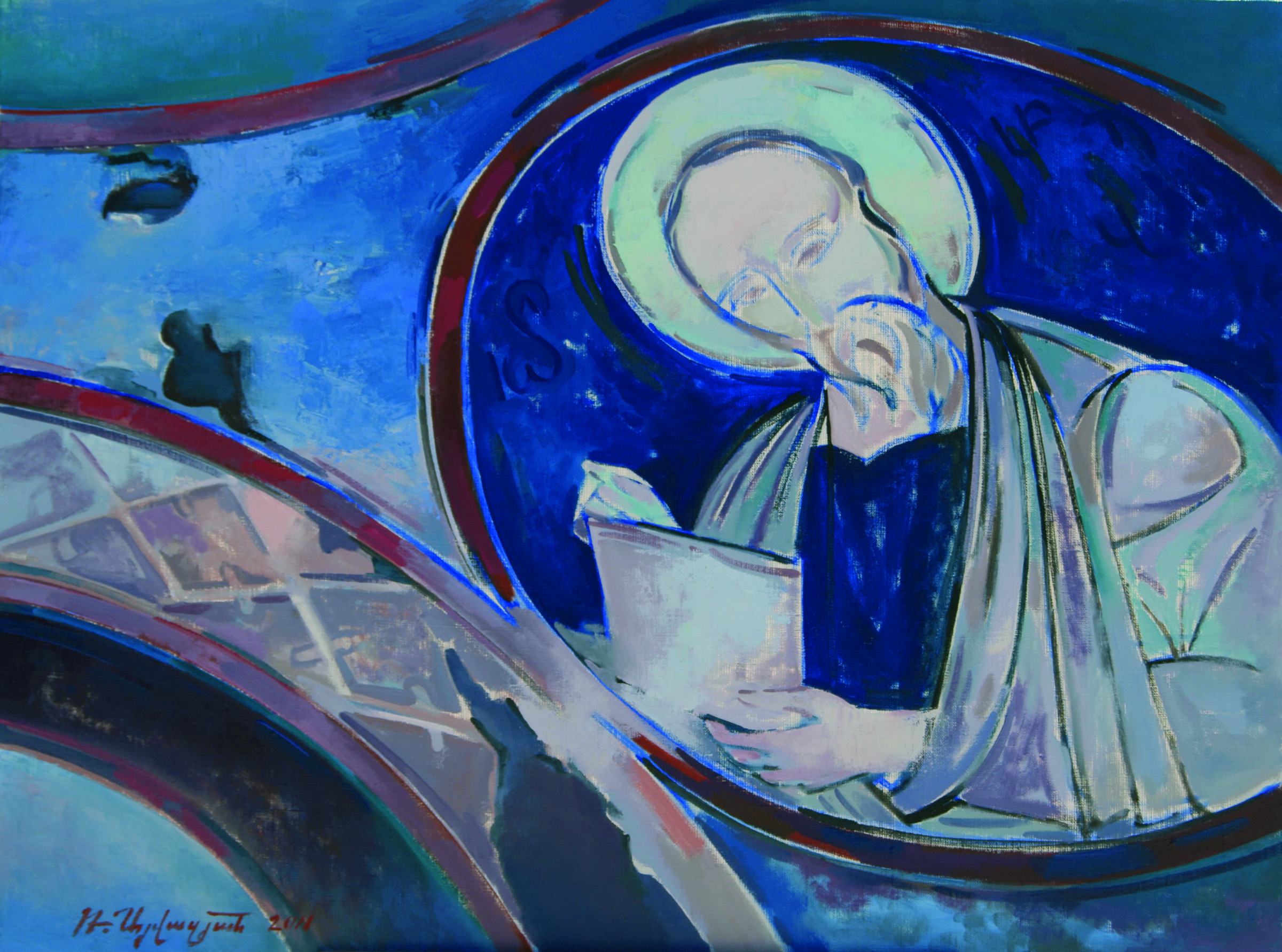
- Since the late 19th century, Ani has been an important theme in Armenian modern art. Intellectuals – including painters – who were engaged in building the modern Armenian nation at the turn of the century sought, in literature and art, to revive the glory of the Armenian past and make it a pillar of modern Armenian identity. The works displayed here were created in 2011, when the World Union of Armenian Artists marked the 1,050th anniversary of Ani’s founding. In that context, some twenty artists were able to see Ani and depict its charm from the banks of the Akhuryan River at the Armenian-Turkish border. This important subject from the pre-Soviet period of the formation of Armenian modern art came again to the foreground on the canvases of Armenian painters now under conditions of an independent state. It is no accident that the catalog published as a result of the project places works made almost a century apart side by side – emphasizing the connection between pre-Soviet and post-Soviet Armenian art. Thus, in stressing the continuity of Armenian culture from the medieval period to the present, Ani appears as a keystone. Robert Ayvazian’s works reproduce Ani’s church frescoes, translating their compositional and structural aspects into the language of modern art. The same process is visible in Anahit Zardaryan’s works, where the ruined church is outlined with striking modernist brushstrokes, like a trembling apparition. (Nare Sahakyan)
Citation:
"The Ruins of Ani in Contemporary Painting from Armenia", Ani, Leibniz Institute for the History and Culture of Eastern Europe (GWZO), /items/ani_147.html