



The Ruins of Ani Inscribing a Second Loss
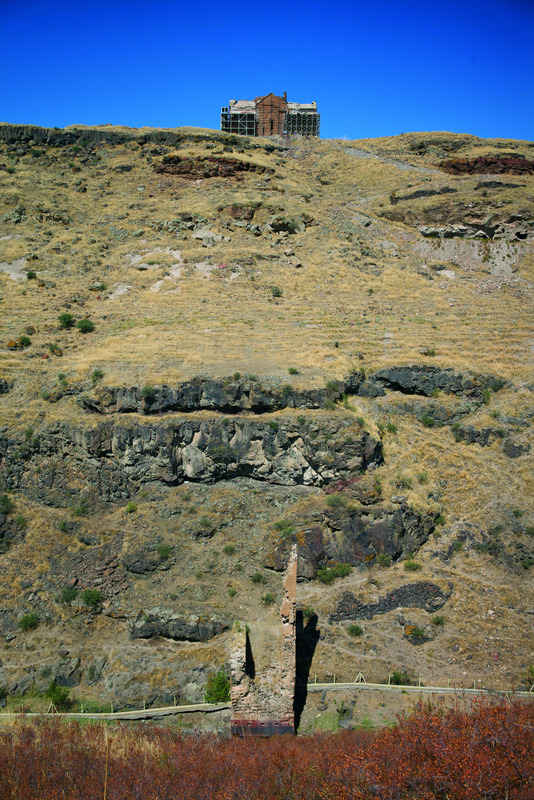
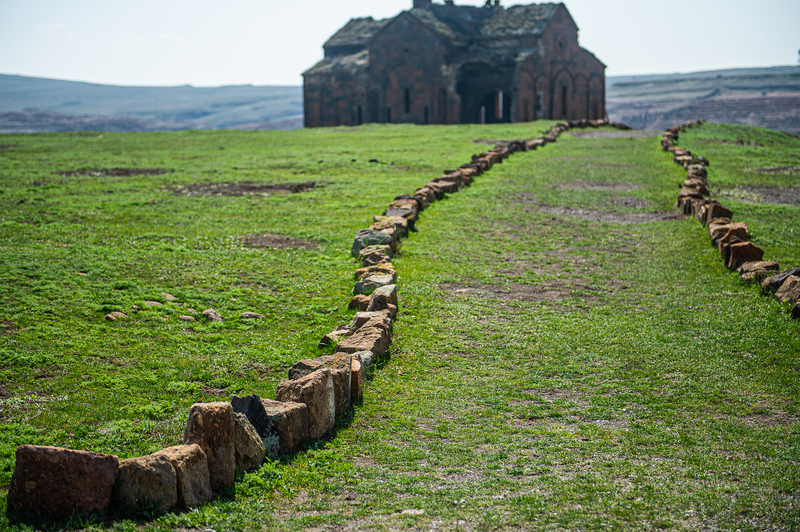
After the Armenian genocide of 1915 and with the establishment of the Soviet Union, Armenian collective life split into two. A global diaspora formed largely out of the communities made up of genocide survivors. This diaspora was barred from free interaction with Soviet Armenians and could not return to its ancestral lands in Turkey. The ruins of Ani themselves faced violence as the site and the archeological objects excavated by Nikolai Marr were looted by Turkish and Caucasian Tatar forces. The artifacts rescued by Ashkharbek Kalantar and preserved in Soviet Armenia acquired the symbolic quality of a remnant. For diaspora Armenians from the West, who from the 1960s onwards increasingly started visiting Ani, its ruins were not just standing for past glory, but also symbolized an ongoing experience of loss. As for Armenians living inside Turkey, mainly in Istanbul, their relationship with the ruins of Ani has been marked with profound silences and ambiguities.
Highlights from This Period
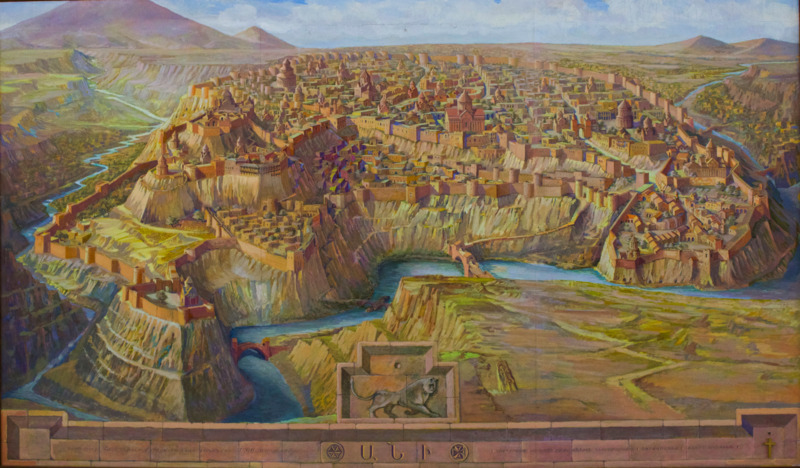
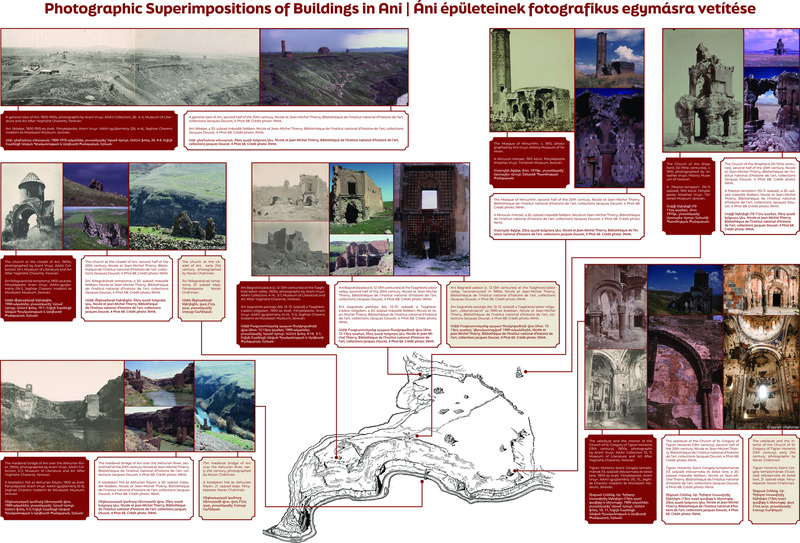

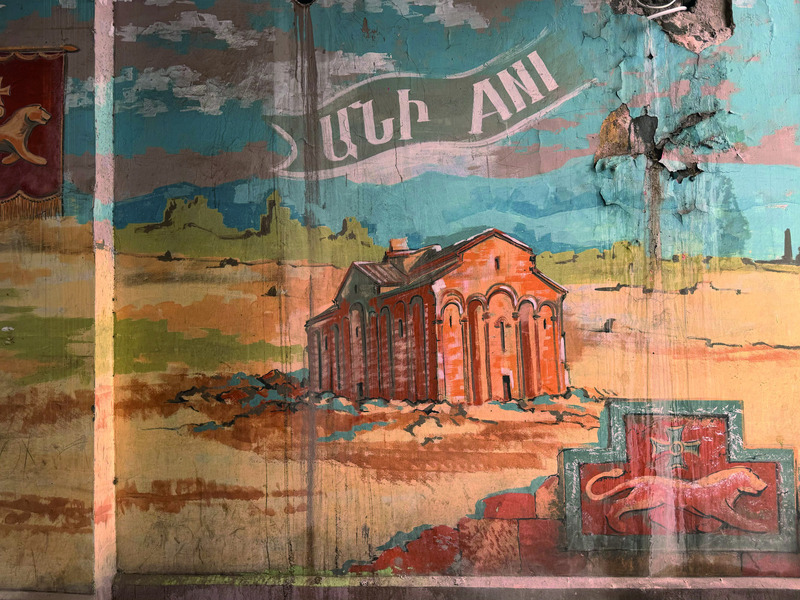
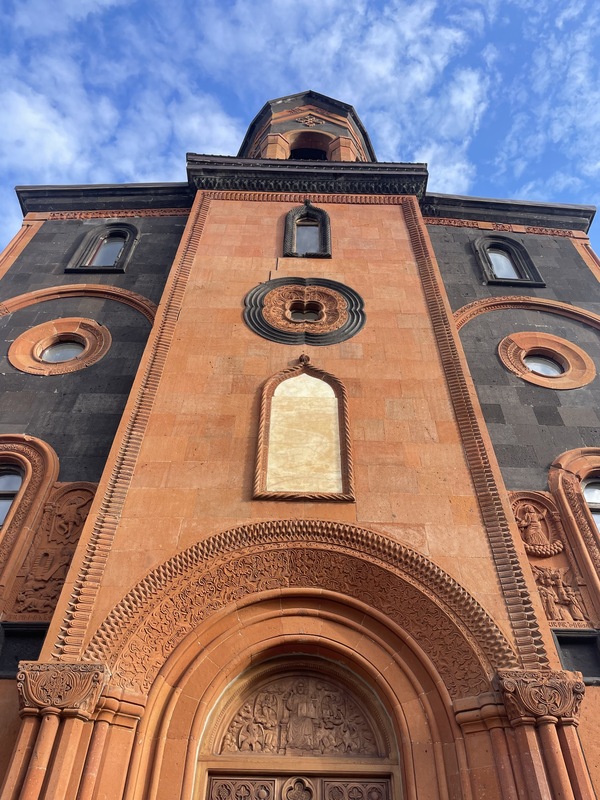
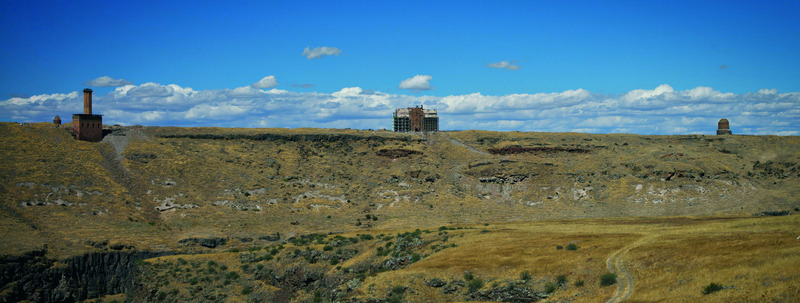
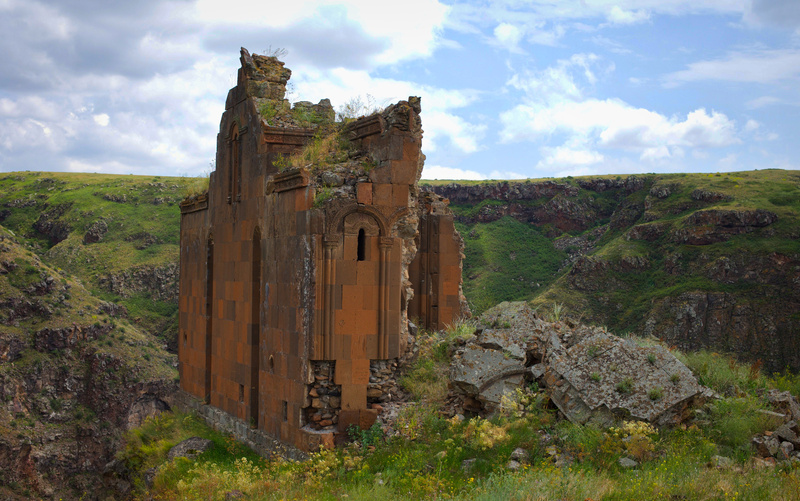
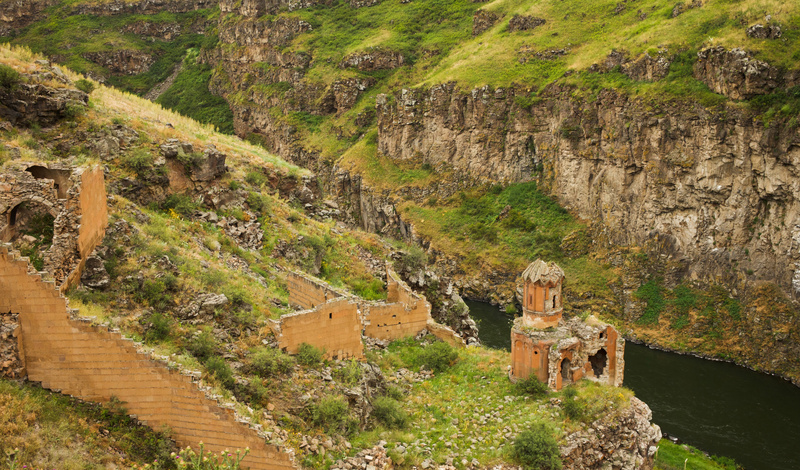
Diasporic Pilgrimages to the Ruins of Ani
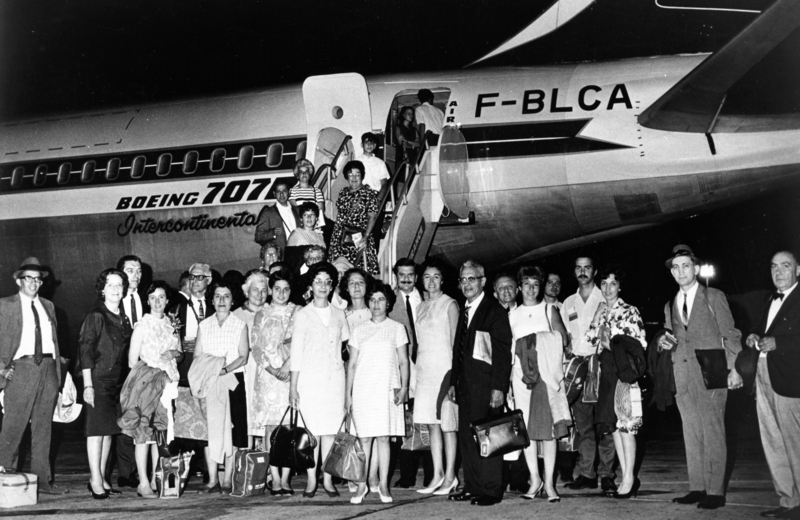
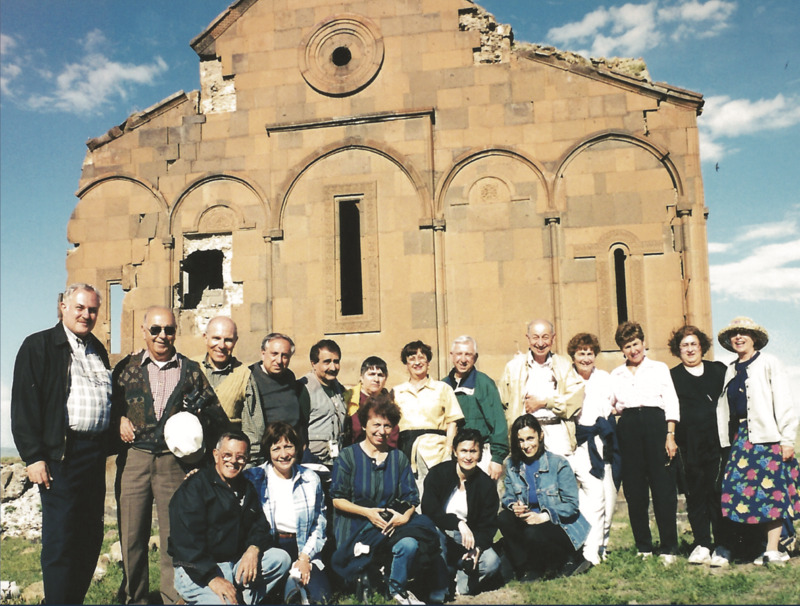
Established in 1955, the National Association for Armenian Studies and Research (NAASR), organized its first “Armenian Heritage Tour” to Anatolia, including Historic Armenia in July 1967. More trips were planned but eventually only one took place in the fall of 1969. They encompassed not only Historic and Soviet Armenia, but also important Armenian cultural centers such as Venice, Jerusalem, and Beirut. The participants in these trips were mostly Armenian Americans. These trips were stopped as they encountered numerous logistical issues and difficulties with locals on the ground. In 1974, a trip was organized to Soviet Armenia, as well as to Tbilisi and Leningrad. The trips to Anatolia resumed in 1978 and 1987 and were taken up again in 2006 and 2025. History Professor Richard Hovannisian and Armen Aroyan led a few NAASR trips between around 2009 and 2013.