

The Ruins of Ani Lost-but-found
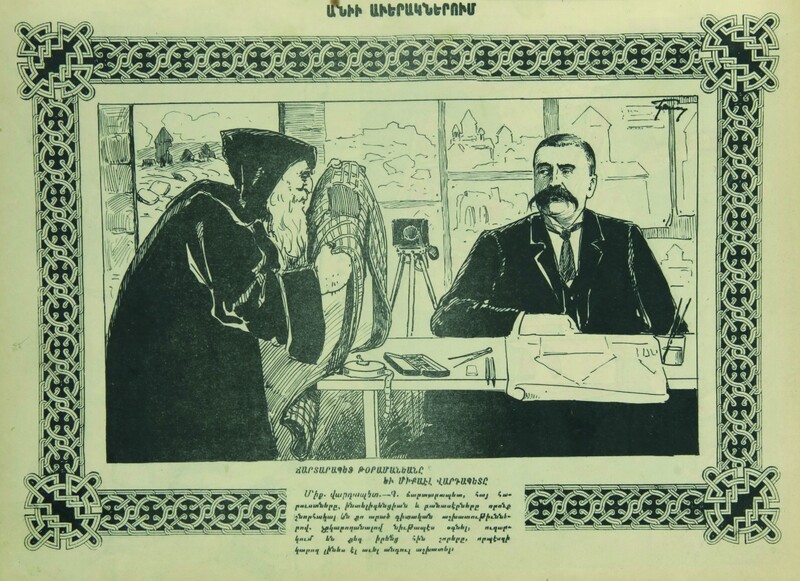
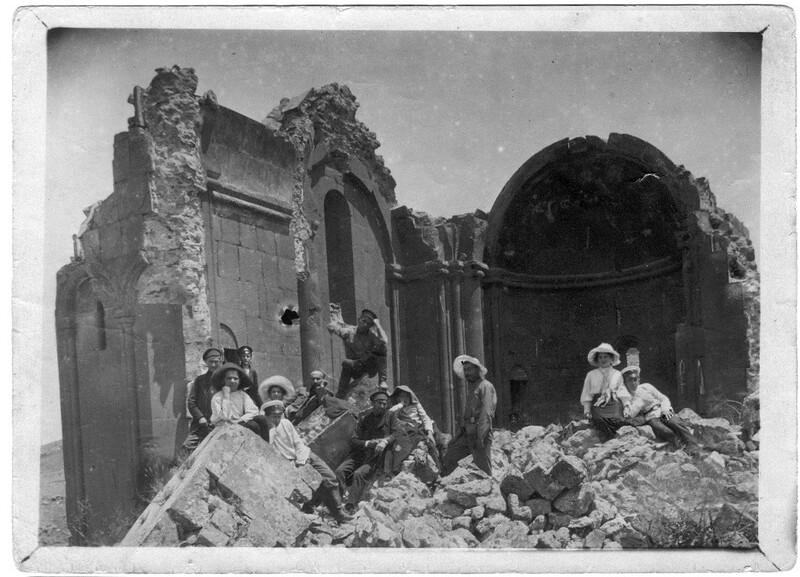
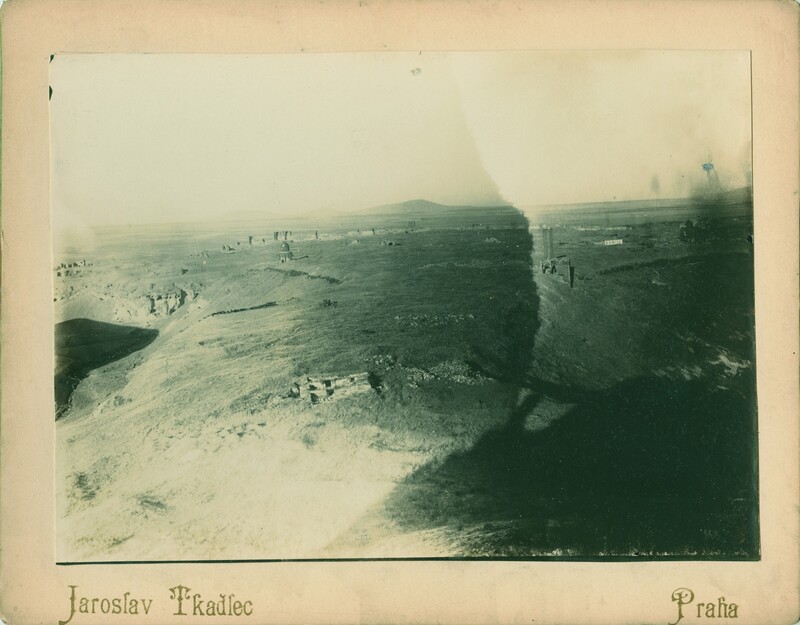
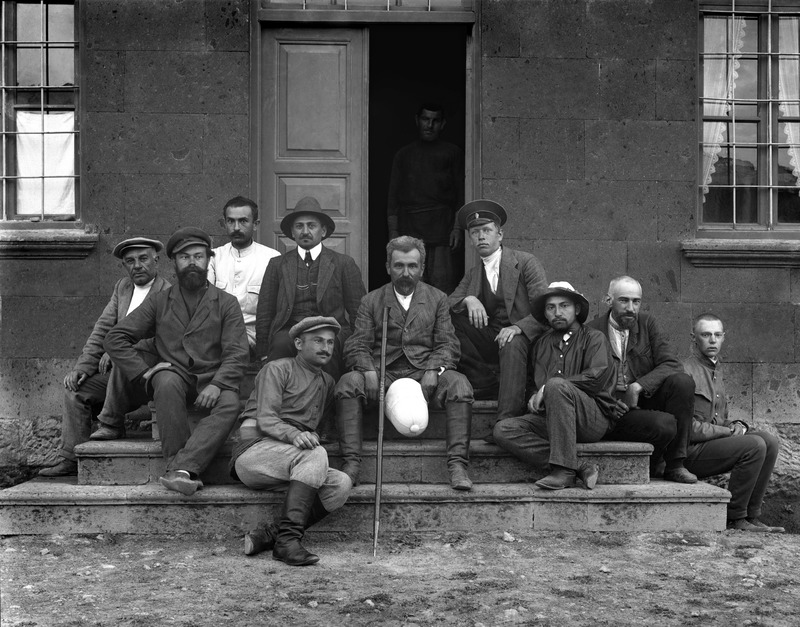
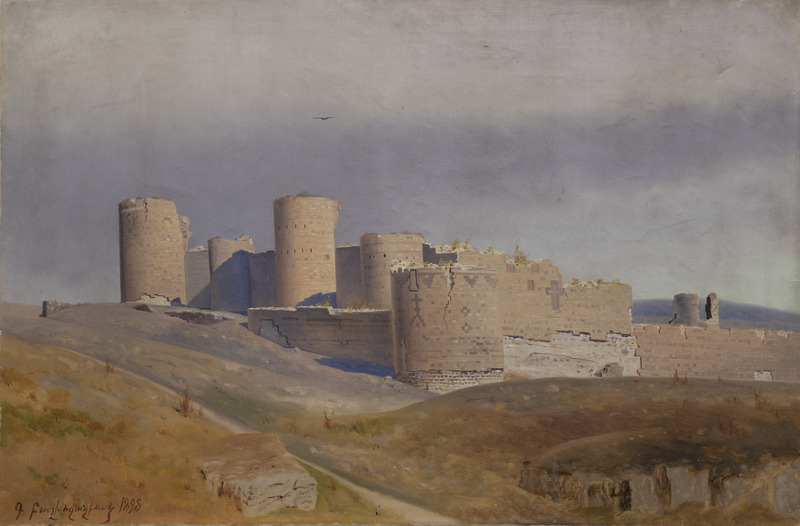
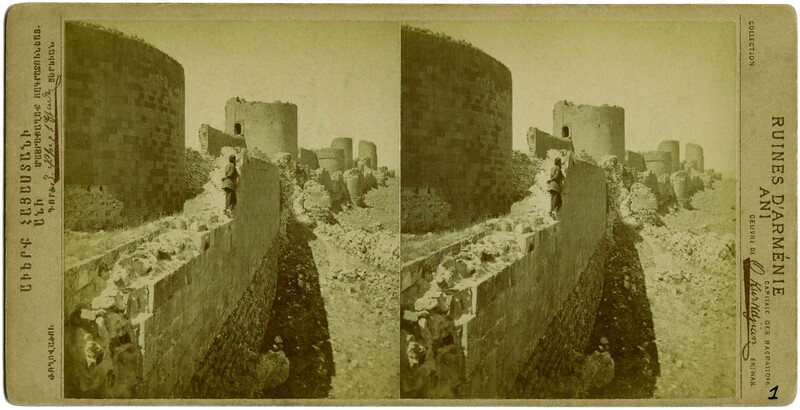
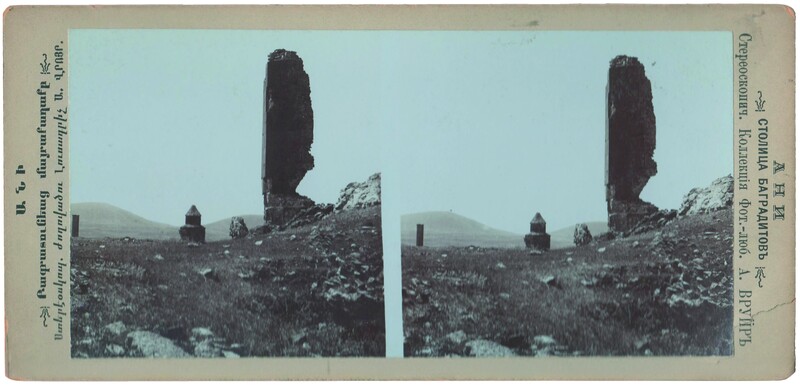
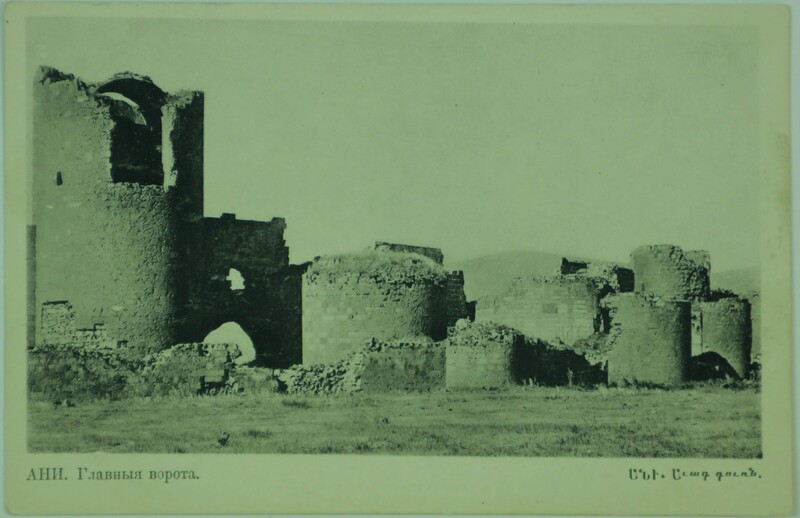
From the second half of the 19th century up to 1921, corresponding to the period during which the ruins of Ani were largely within the boundaries of the Russian Empire, a veritable explosion of representations of its splendor started circulating globally in an accelerating manner. Thanks to the patriotic photographs of Ohannes Kurkdjian, travelogue depictions by the likes of Jaroslav Tkadlec and Leo (Arakel Babakhanyan), and most crucially the excavations led by Nikolai Marr, the ruins of Ani found new life.
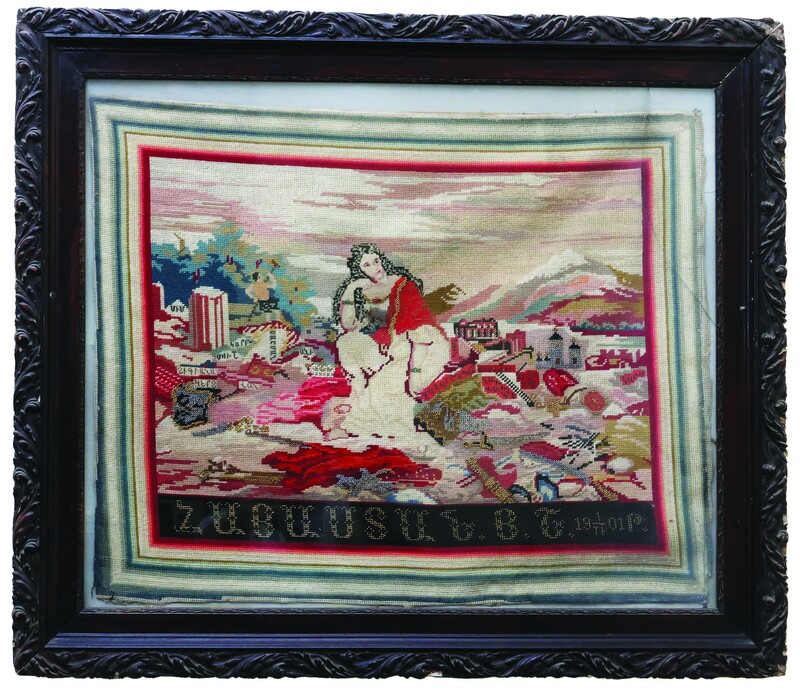
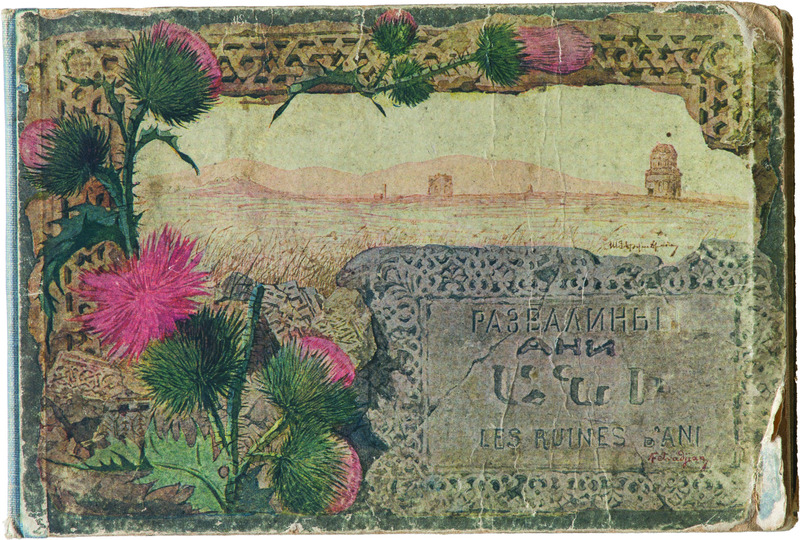
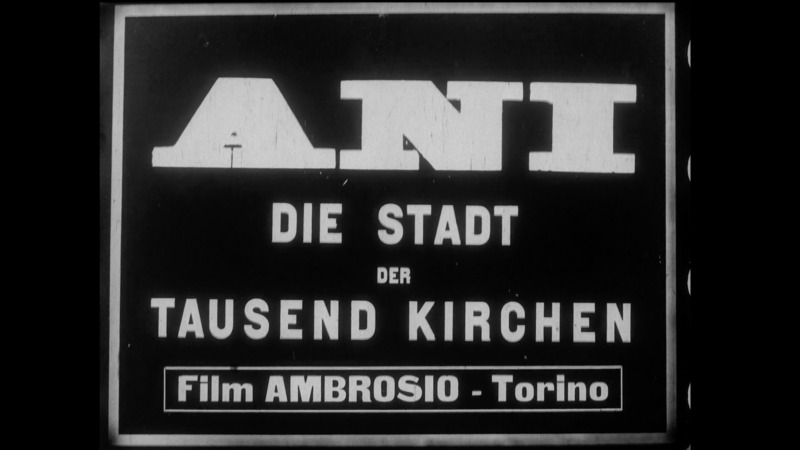
Emerging modes of representation, such as photography and film, combined with technological practices characteristic of modernity, such as the postal service and the railway, served as vehicles through which images of the ruins of Ani were disseminated beyond strictly scholarly and patriotic circles, thus constituting a genuinely popular source of obsession with ruins (ruinlust). At the heart of this fascination was a profound sense of loss – historical, civilizational, and national.
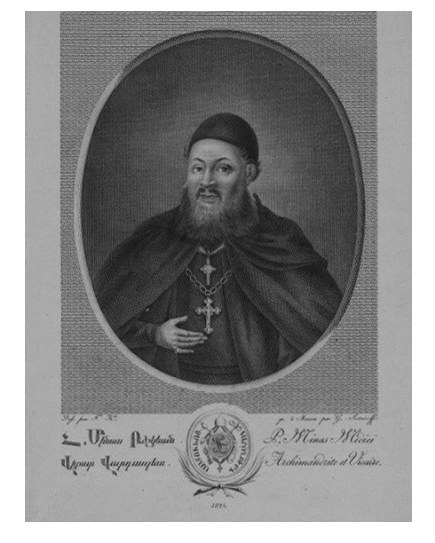
![Two guestbooks kept in Ani during Nikolai Marr’s excavations have reached us. One of them bears the handwritten title in Armenian: <em>Տպավորությունների Մատյան Անիի Պատմա-Հնագիտական Հուշարձանները Այցելողների 1901-1912 թթ</em> [Book of Impressions of the Visitors of Ani’s Historico-Archeological Monuments]. The second guestbook has a Russian title: <em>Книга записи впечатлений посетителей города Ани</em> [Notebook of the Impressions of the Visitors of the City of Ani], and contains later entries. While much of the cultural production from Ani is of the highly official, serenely scholarly and artistically refined kind, the guestbooks kept at the site open a unique window into the global vernacular afterlives generated by its ruins. These guestbooks contain entries in various languages and drawings from people of diverse walks of life – local Armenians, including students, diaspora Armenians writing in broken Armenian or in another language, and non-Armenian visitors. Inscribing expectations and emotional states conditioned by perceptions and education, their at once highly personal and public notes straddle epigraphic, epistolary and poetic genres. They frequently overflow into grandiosity, taking the form of a melancholic meditation on the Armenian as well as universally human condition.](/objects/small/guestbook-1_img01_sm.jpg "click to see item")