


Ohannes Kurkdjian (1851-1903) – Ruin Photography in the Service of Romantic Nationalism Item Info
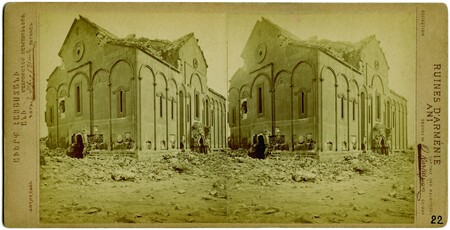
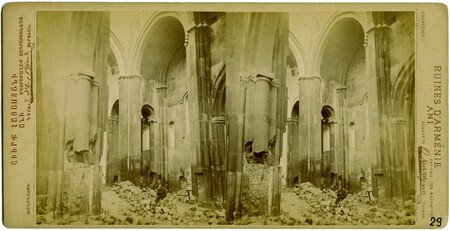
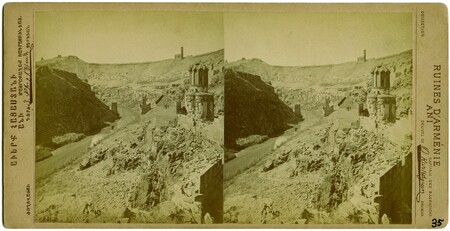
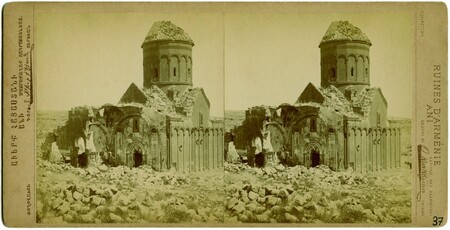
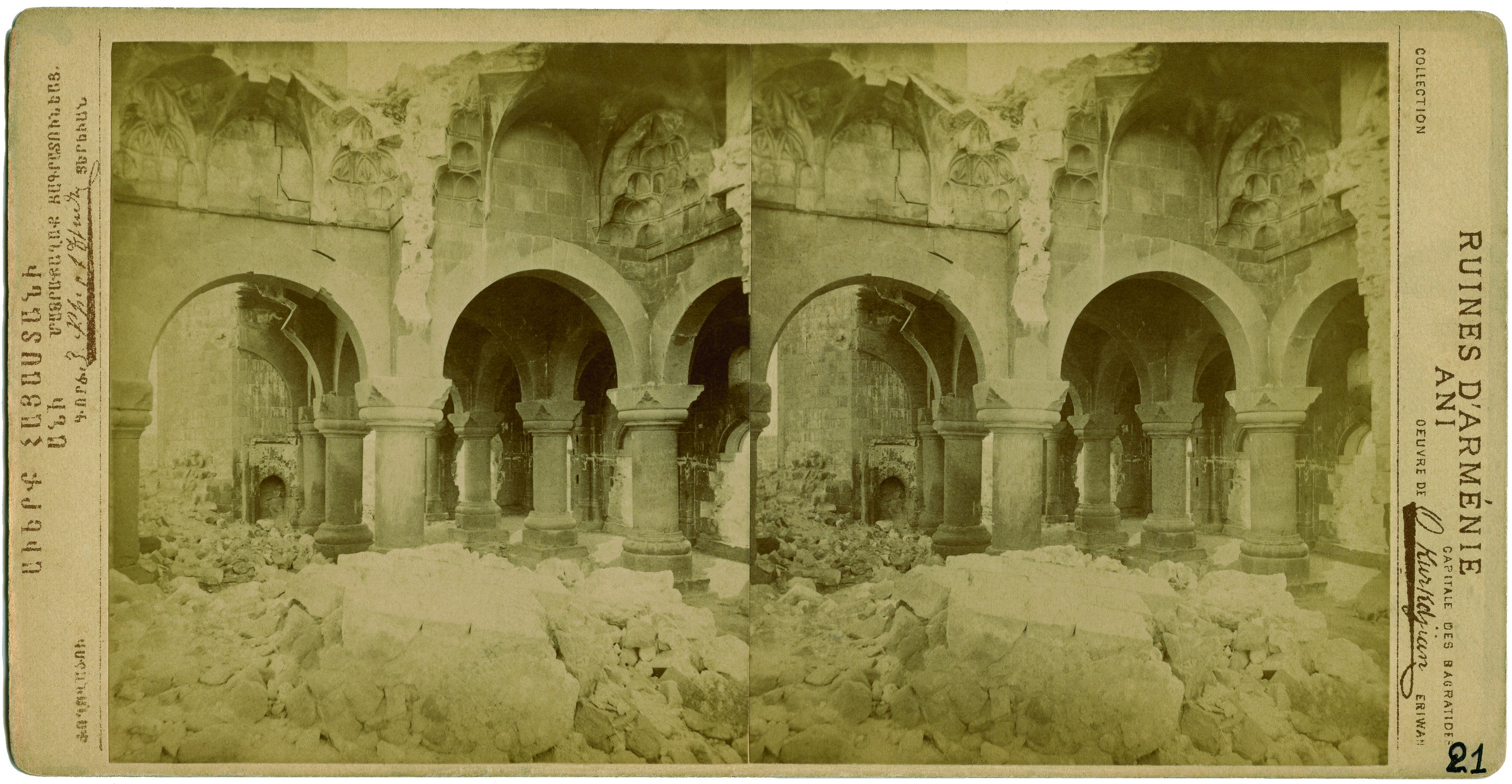
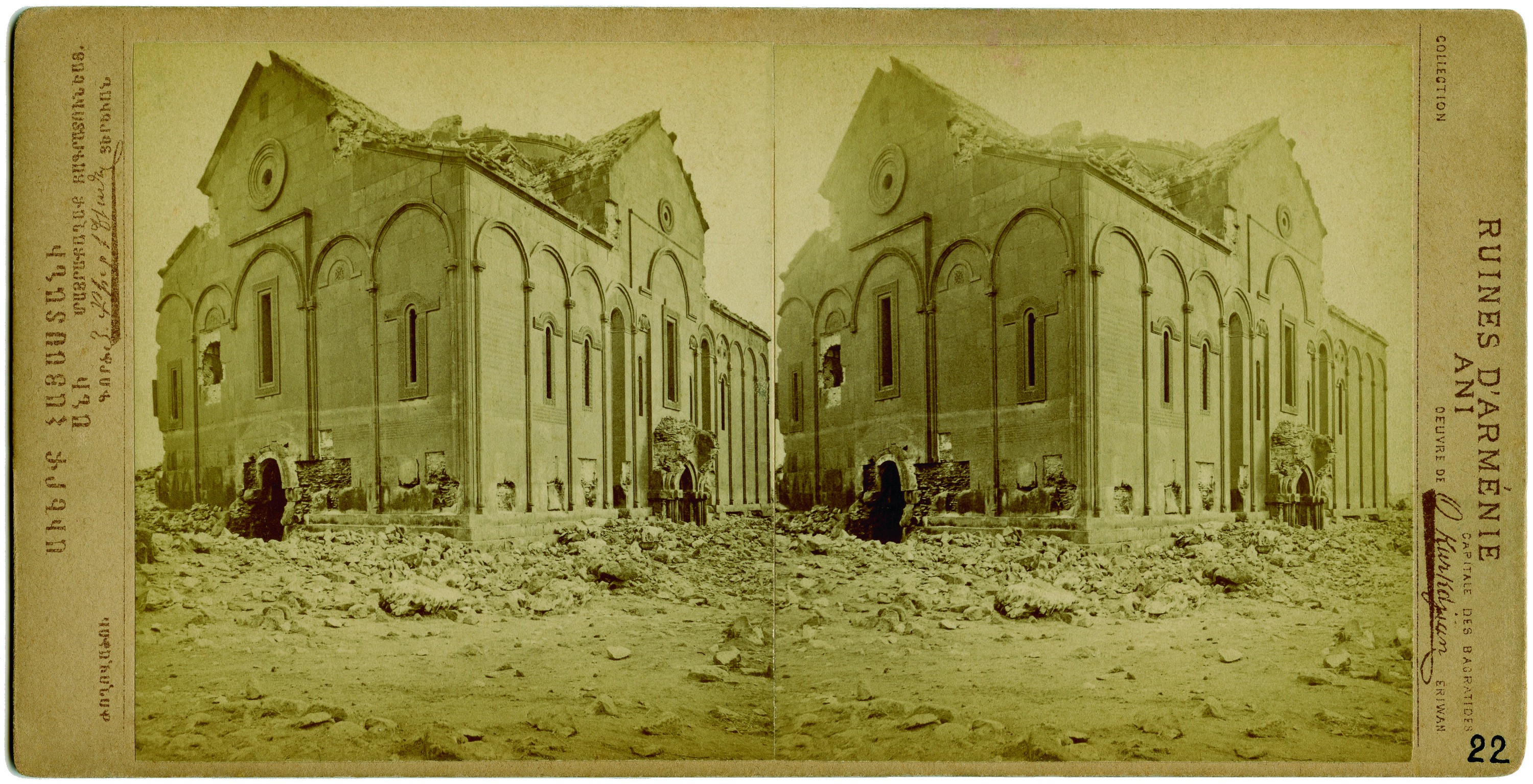
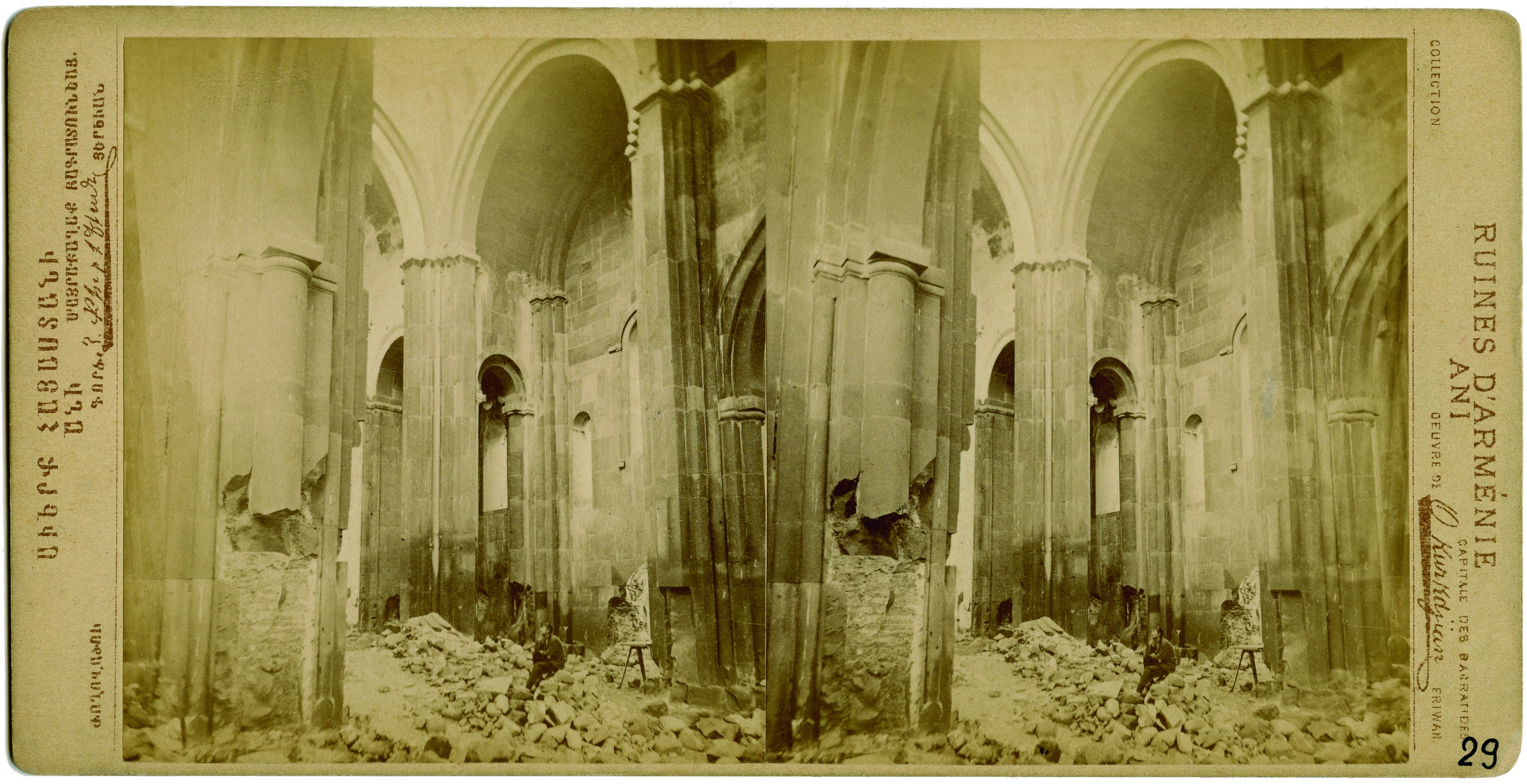
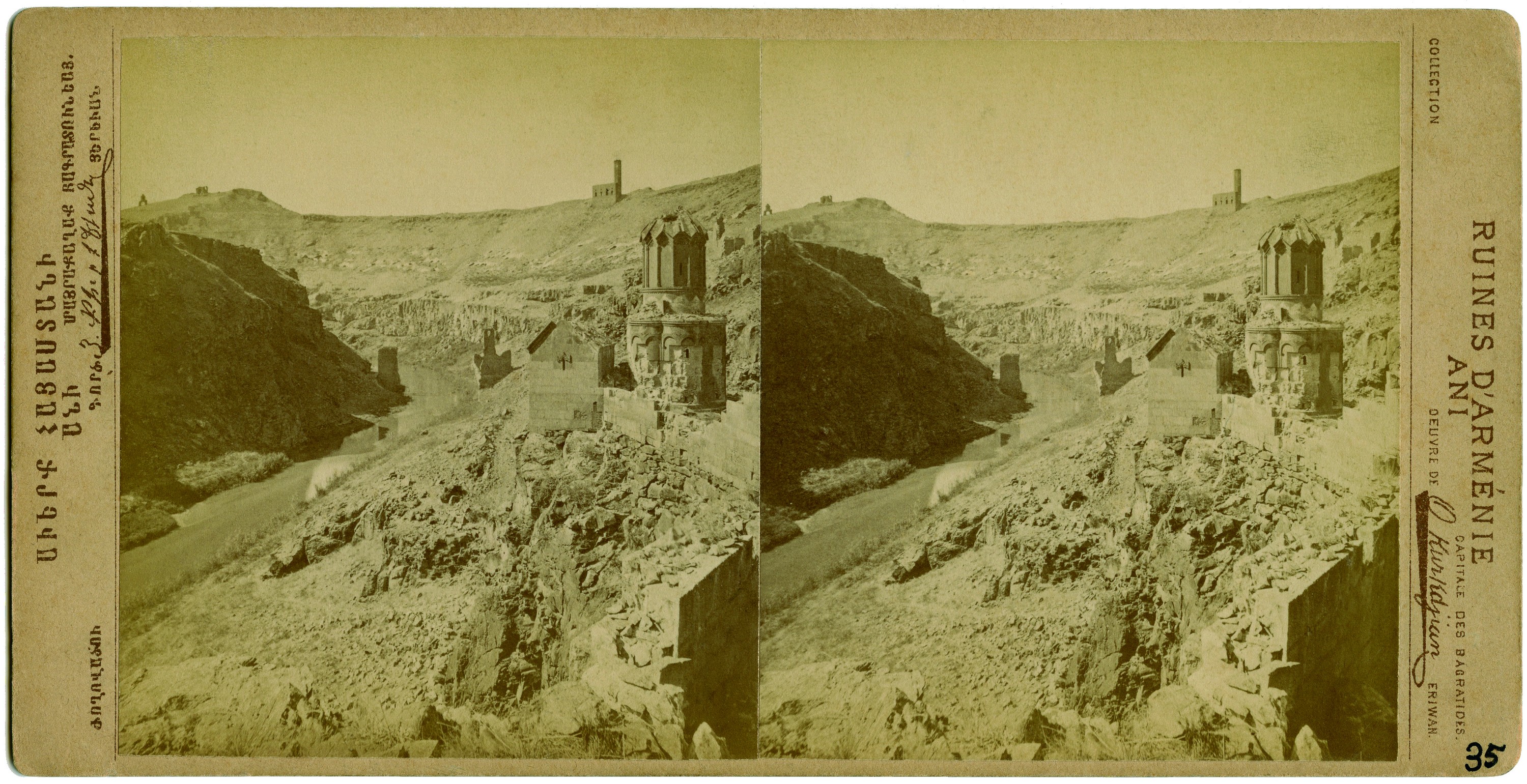
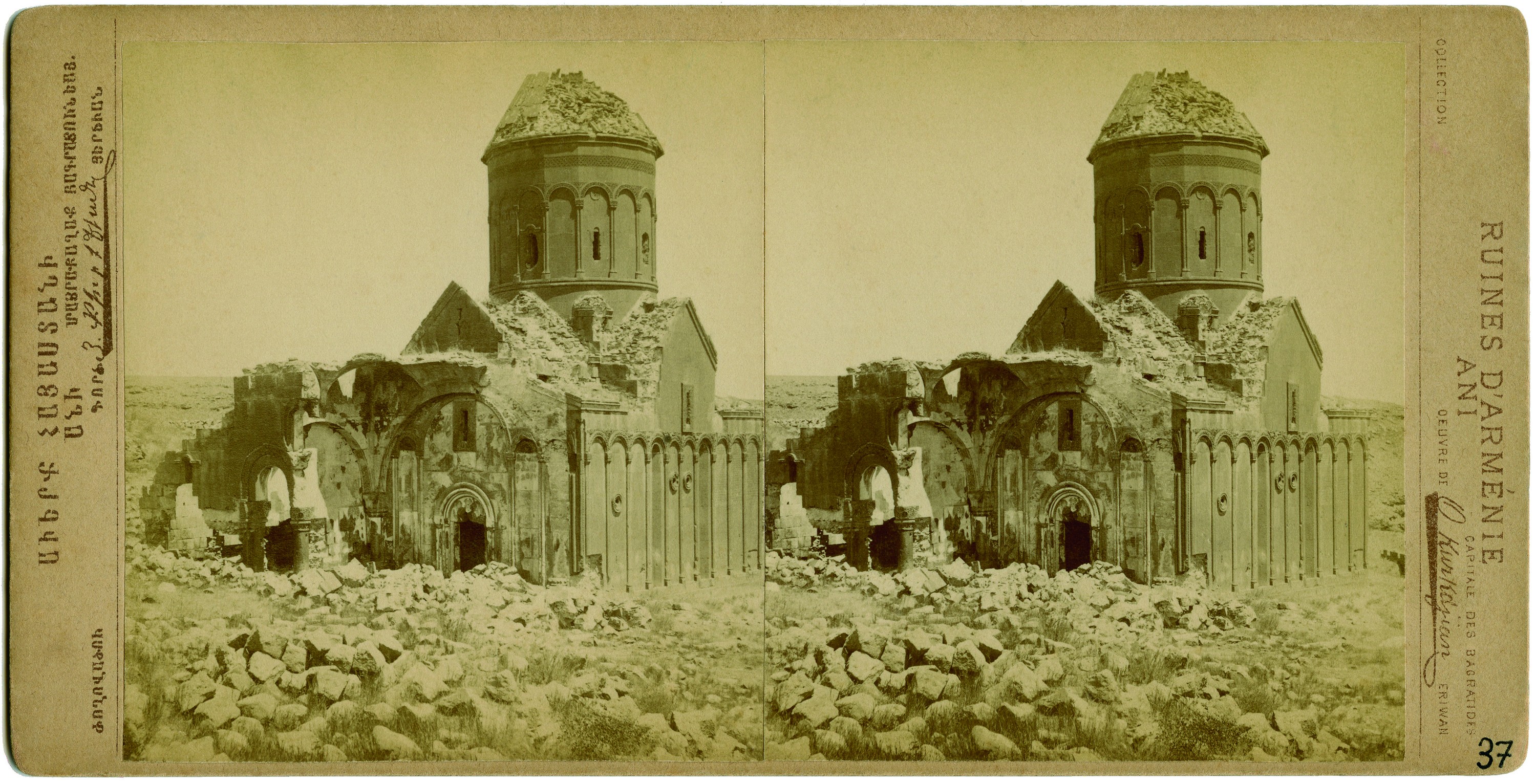
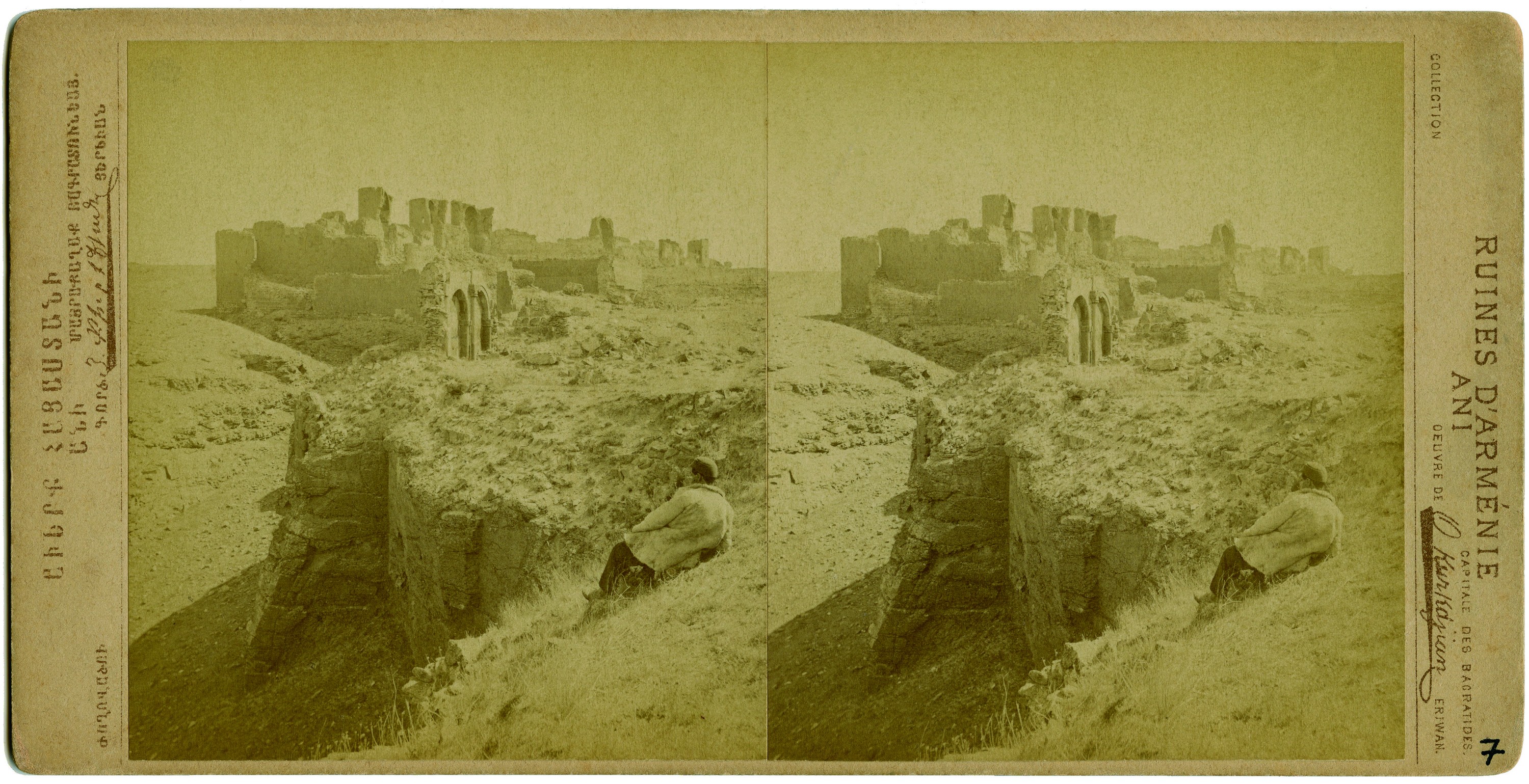
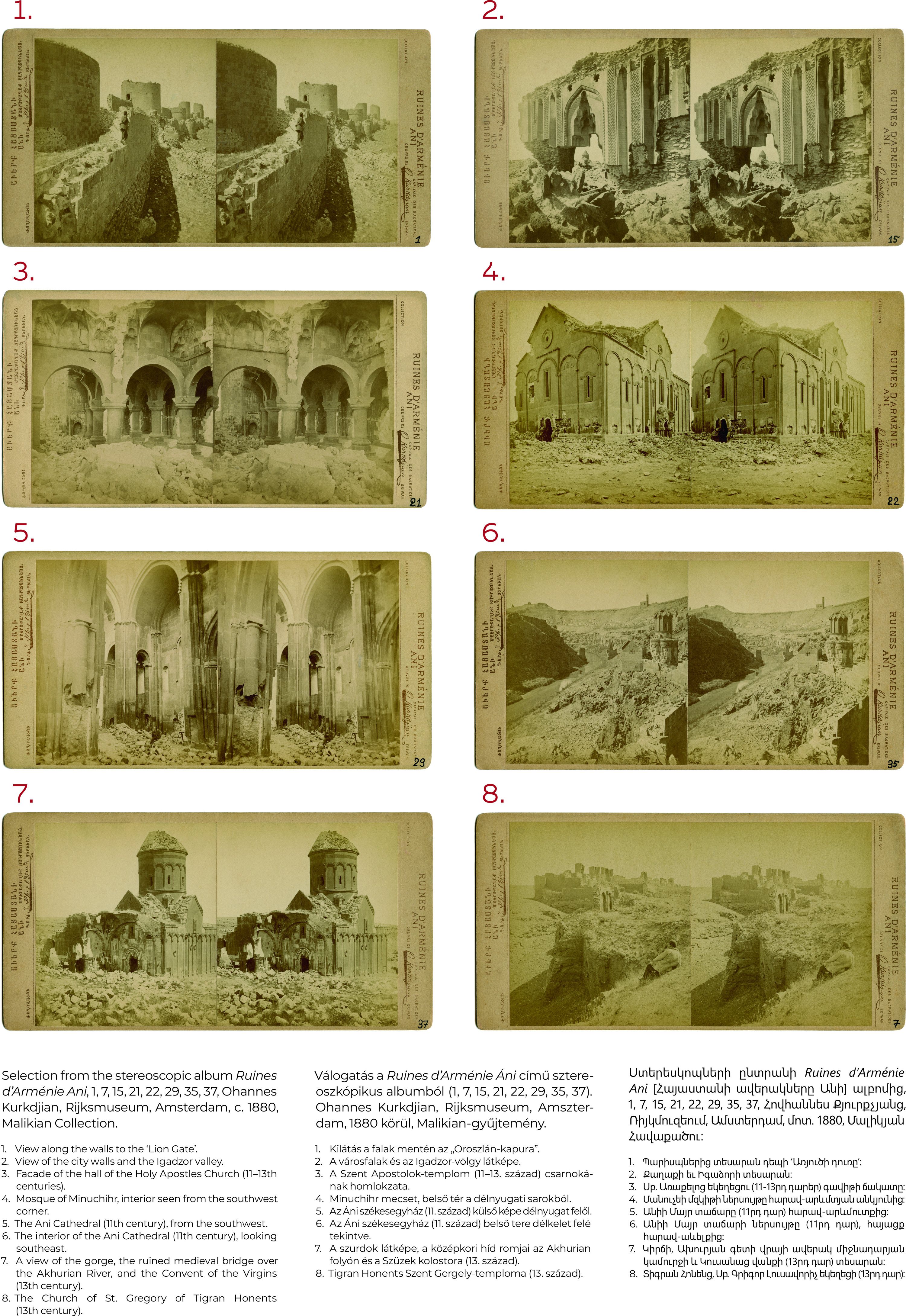
- Description:
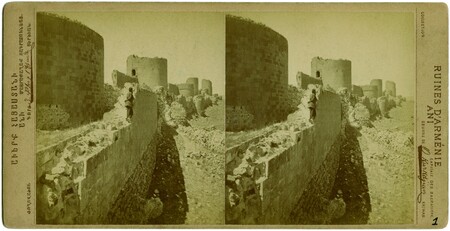
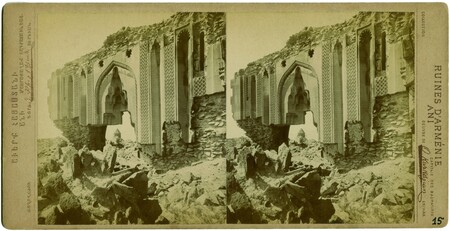
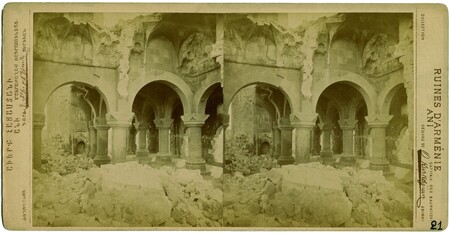
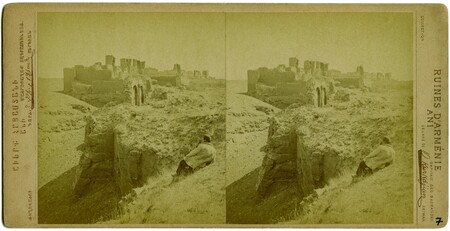
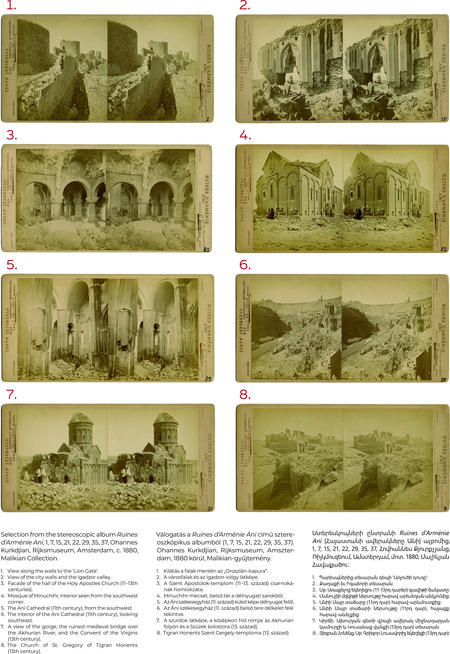
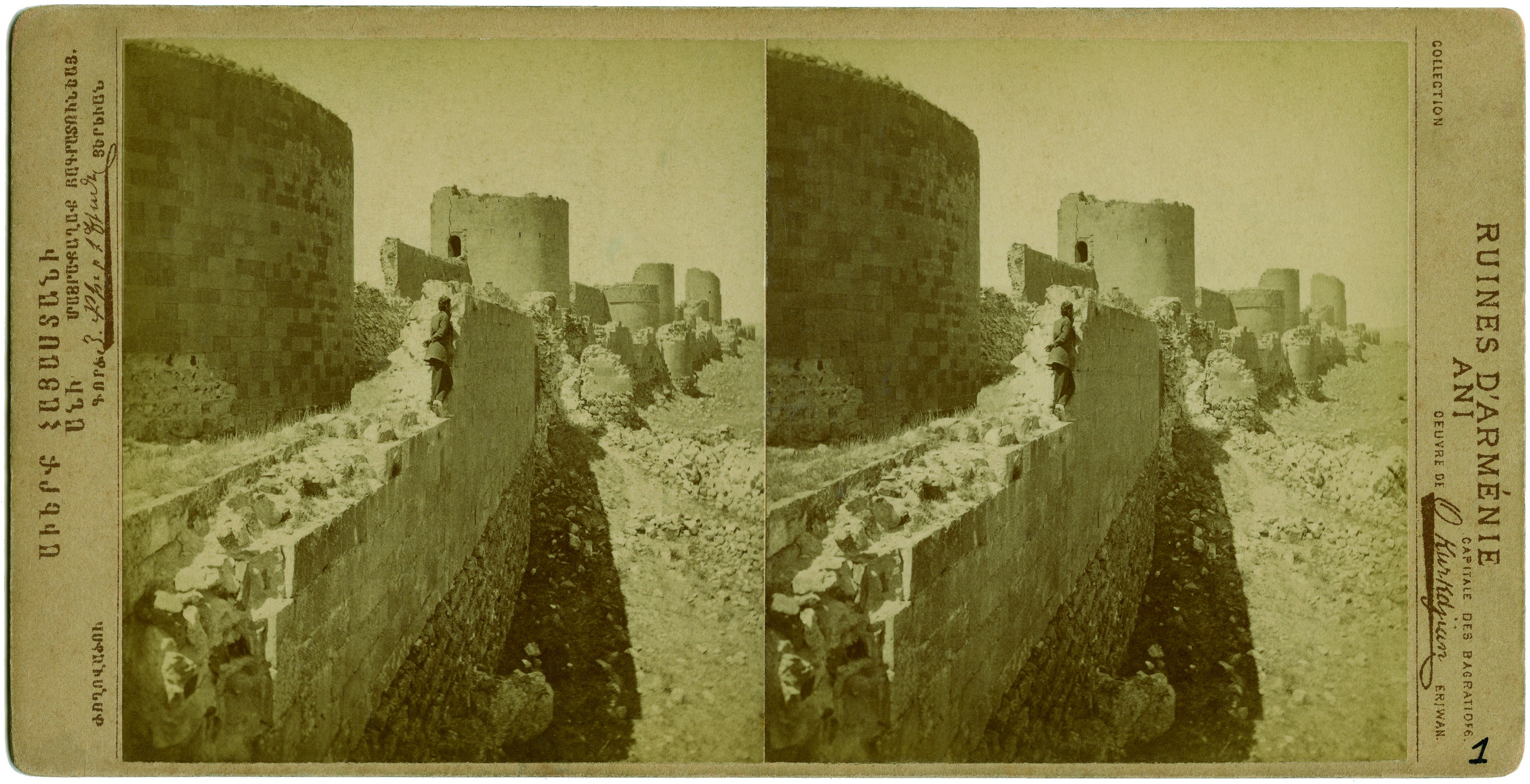
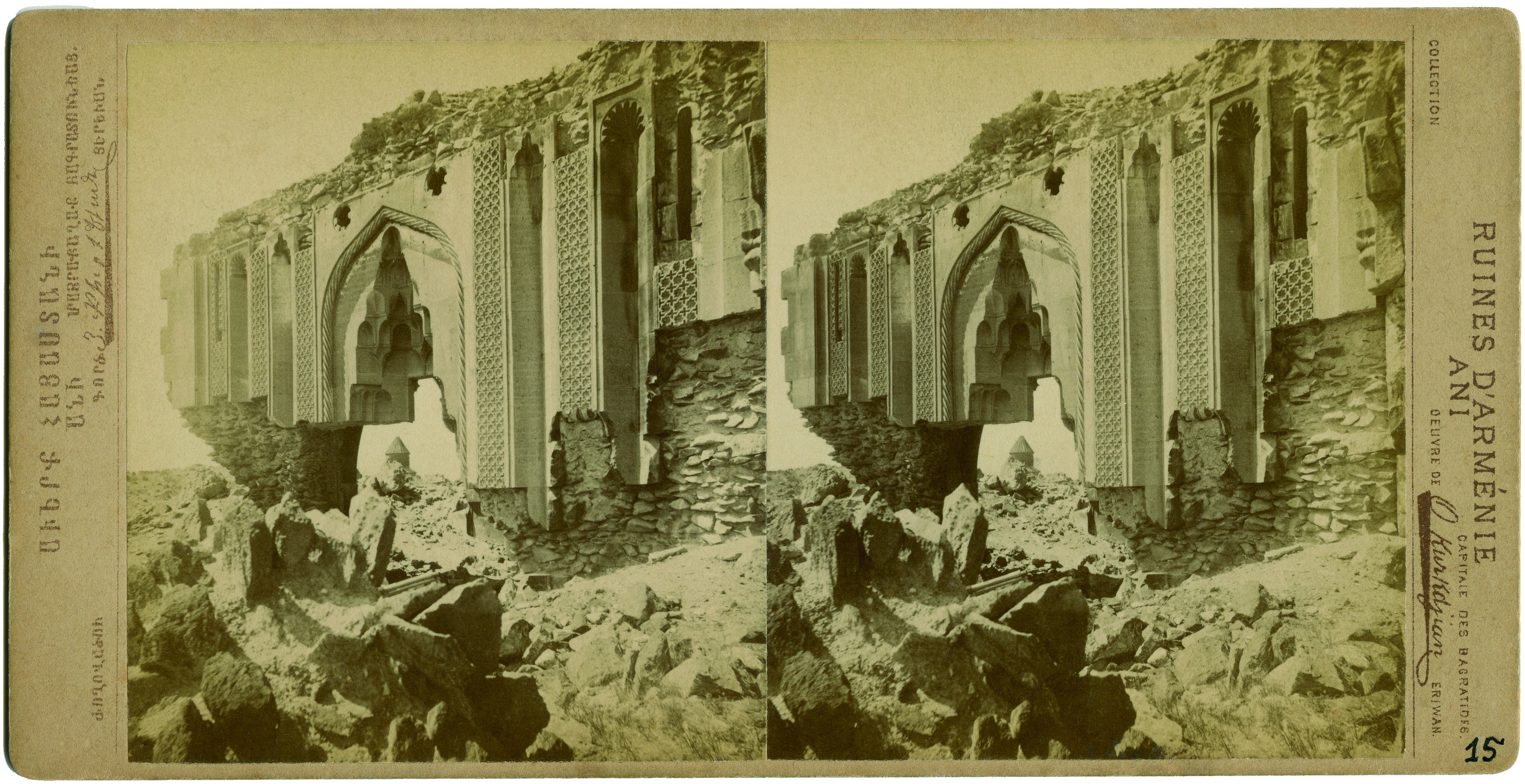
- Born in Kyurin, Vilayet of Sebaste, Ottoman Empire, Ohannes Kurkdjian settled in Tiflis (Tbilisi) and Yerevan. In the late 1870s, after Ani became part of the Russian Empire, Kurdkjain visited the ruined city and was the first to photograph it, assisted by Aram Vruyr. Around 1880, Ohannes published an album of his photographs in French and in Armenian (rather than in Russian), titled Ruines d’Arménie Ani (Rijksmuseum, Amsterdam). This album contains some forty stereoscopic pairs of photographs. Allegedly, the Russian authorities banned the circulation of this album, suspecting that it fanned nationalist hopes among Armenians. Some of these photographs were reprinted in London’s The Graphic on September 26, 1885. They were also included in the “Vue de Caucase” series shortly after, apparently sold for a more touristic use. Soon after photographing Ani, Kurkdjian left the Russian Empire, lived in Europe and eventually settled on the Island of Java, current-day Indonesia, where he created a highly successful and long-lived photographic studio.
- Subjects:
- Ohannes Kurkdjian Aram Vruyr Photography Ani (Turkey)
Citation:
"Ohannes Kurkdjian (1851-1903) – Ruin Photography in the Service of Romantic Nationalism", Ani, Leibniz Institute for the History and Culture of Eastern Europe (GWZO), /items/ani_002.html