


Aram (1863-1924), Ara (1896-1943) and Artashes (1897-1987) Vruyrs – Giants of Monument Photography Item Info
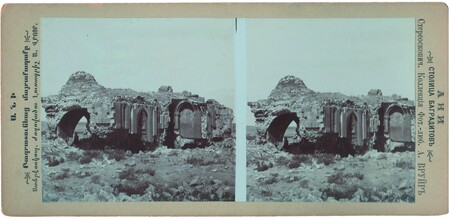
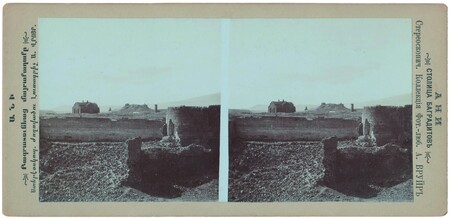
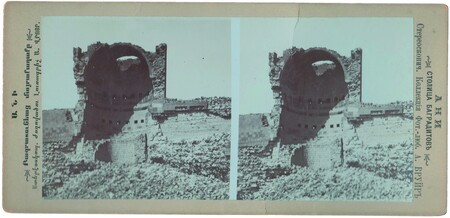
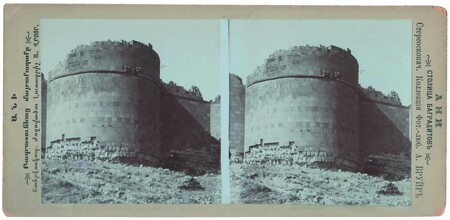
- Description:
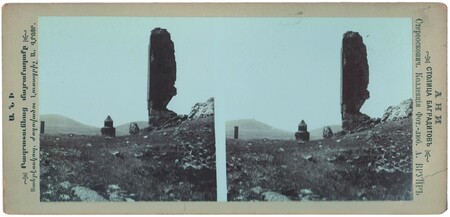
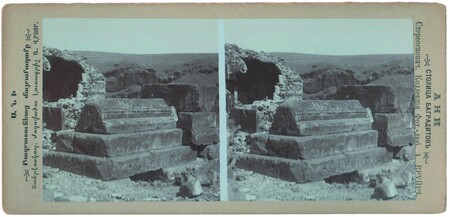
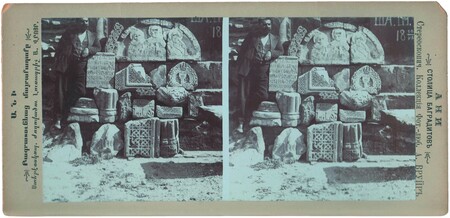
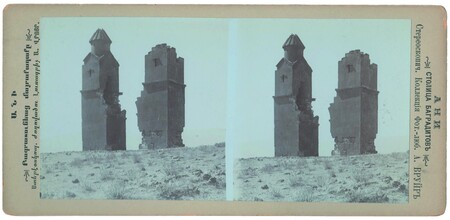
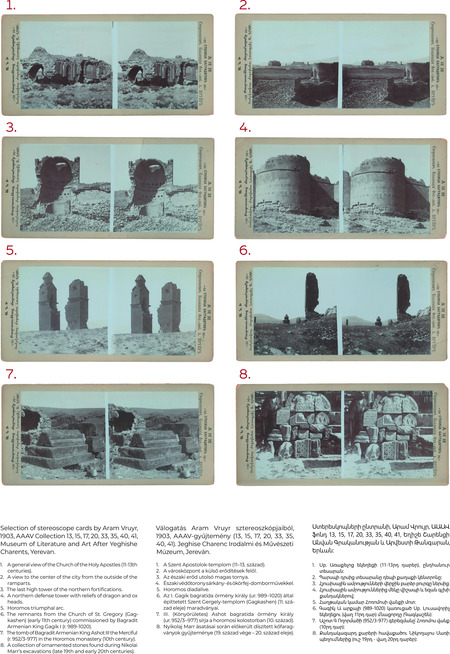
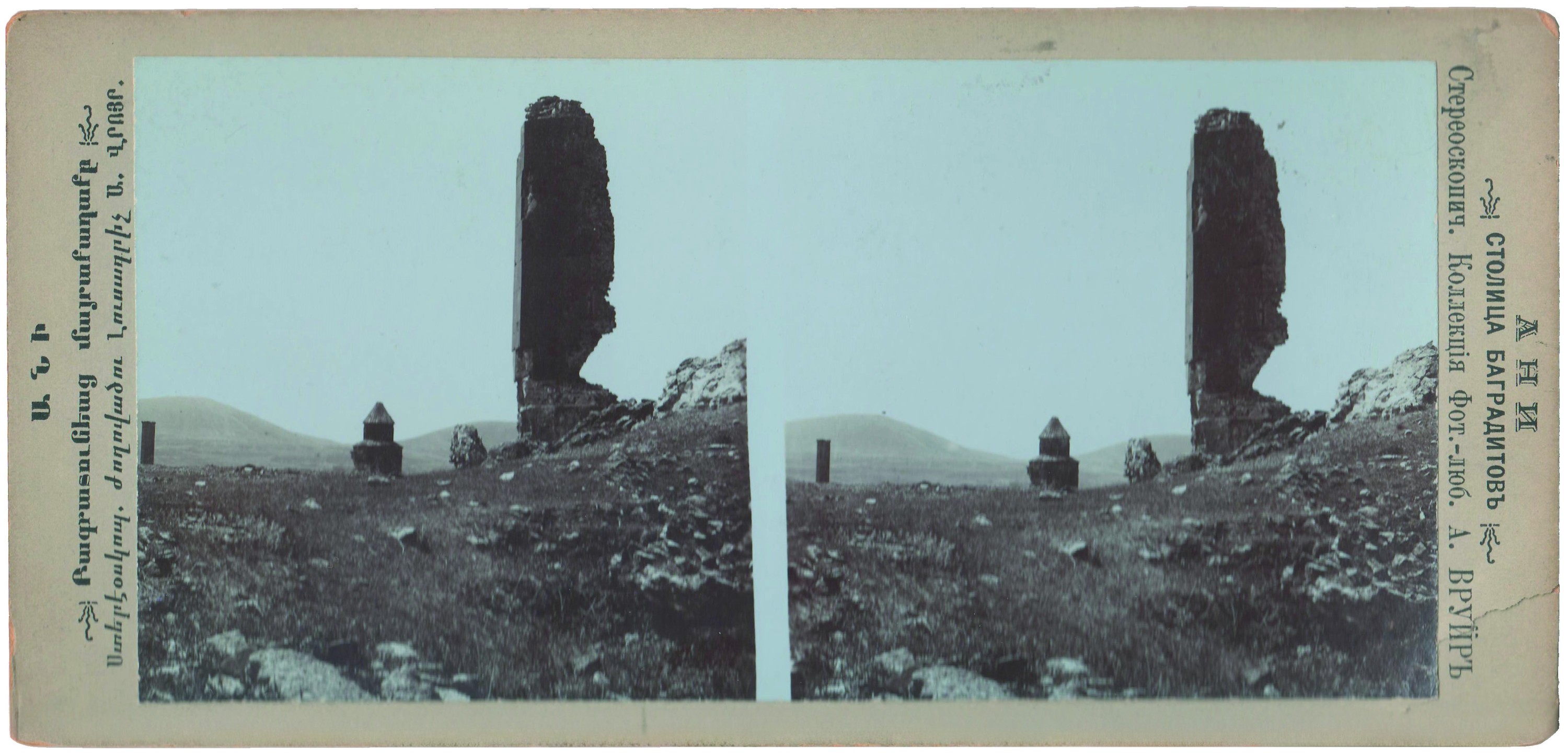
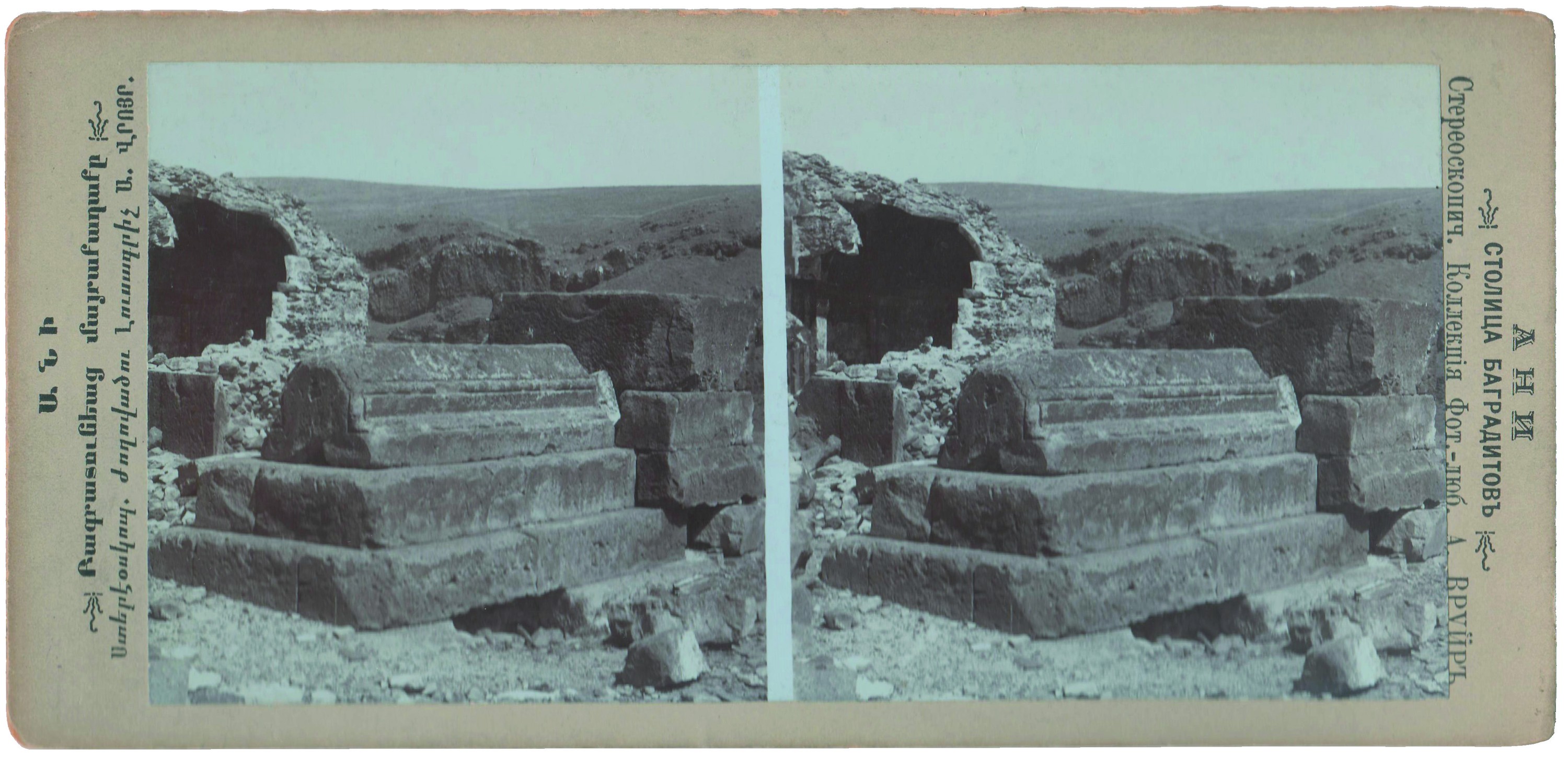
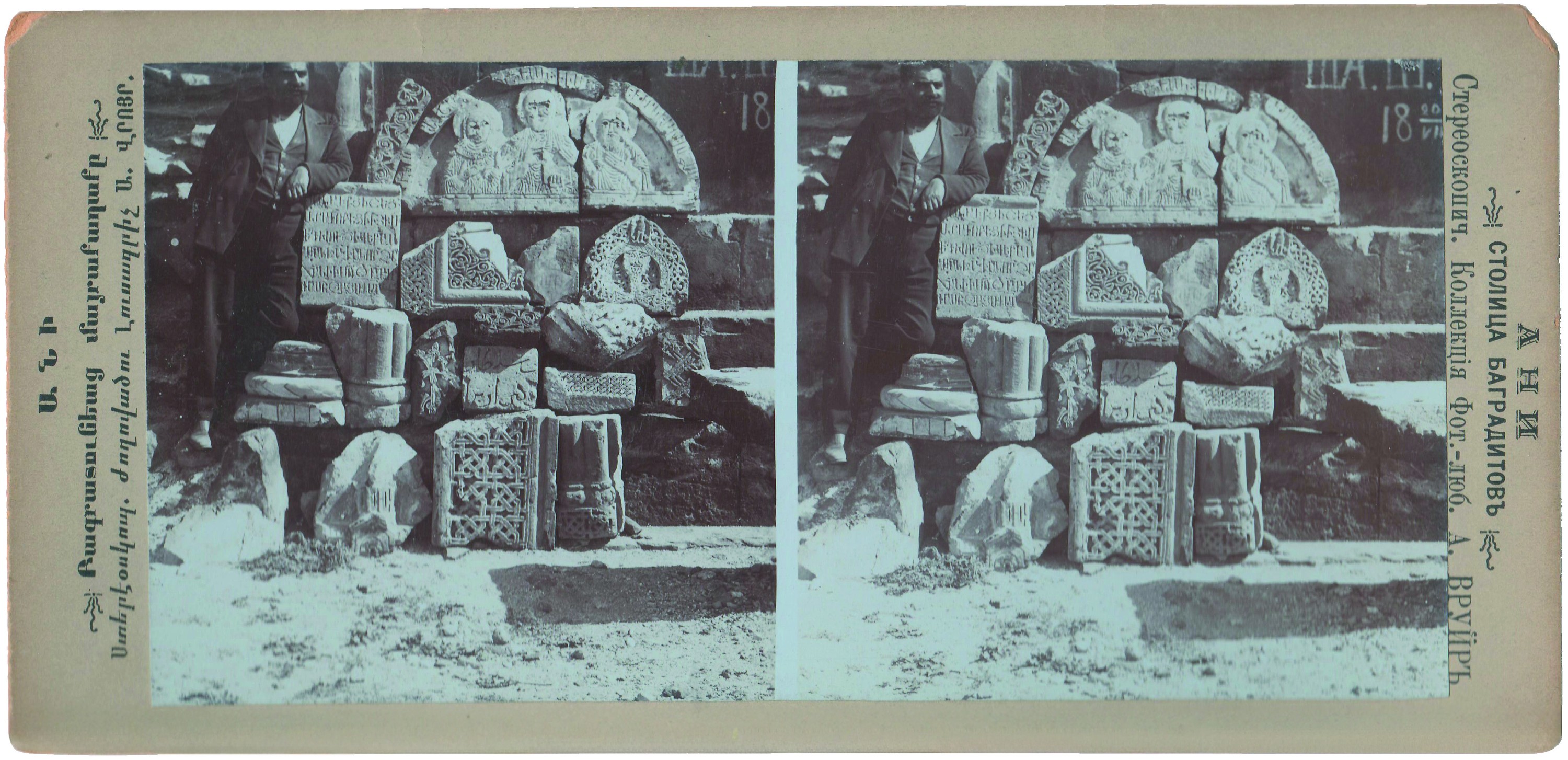
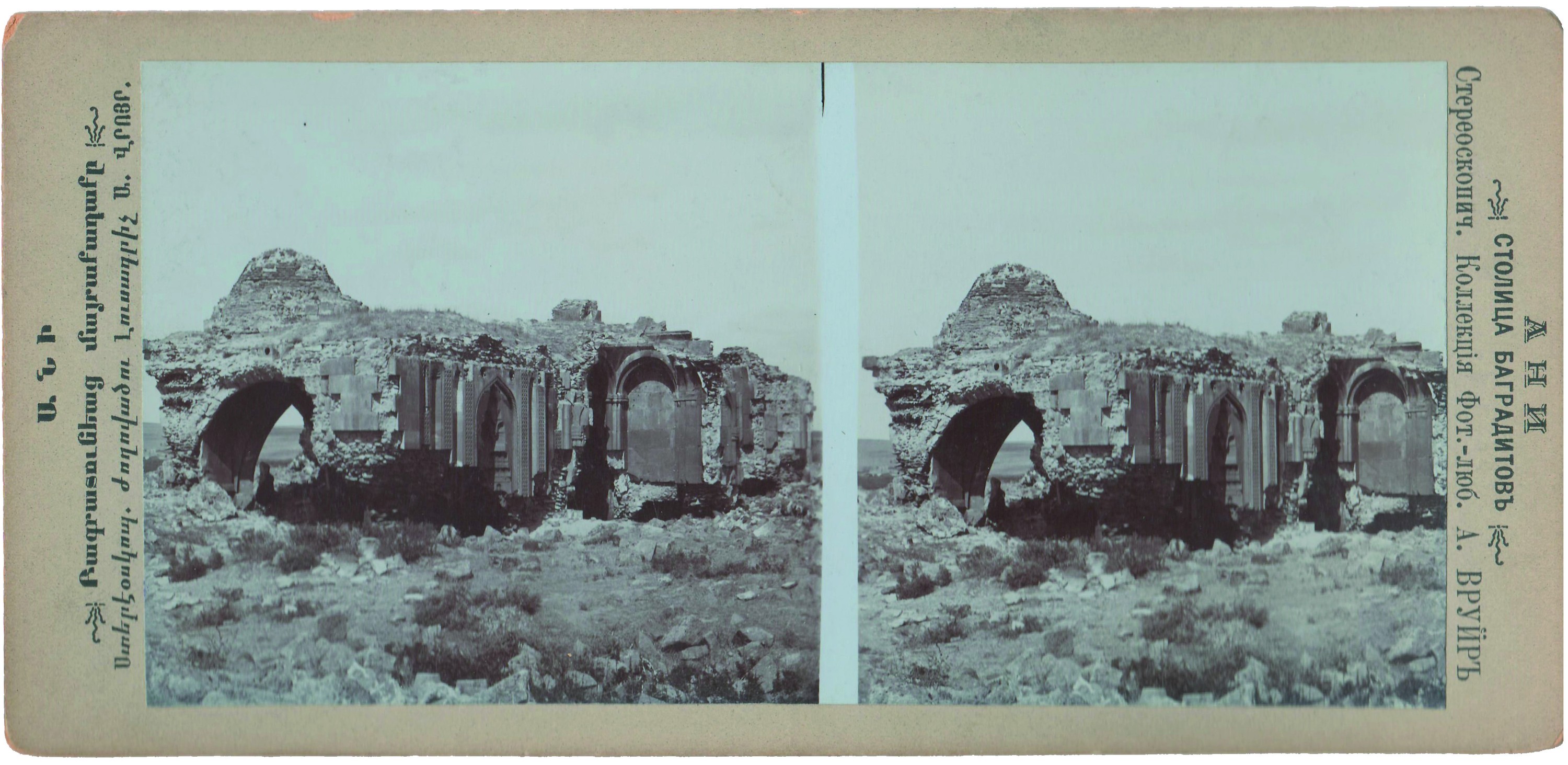
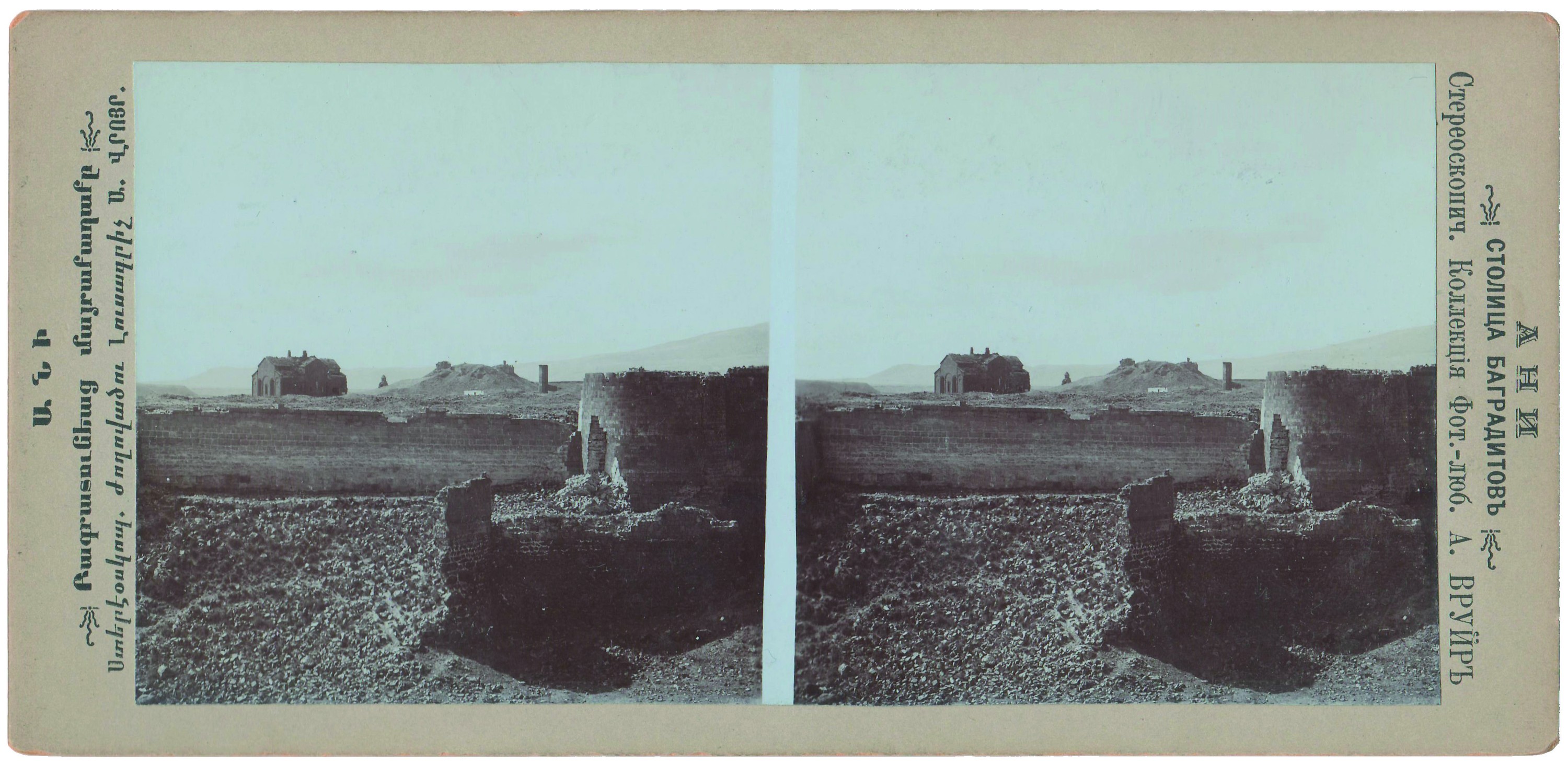
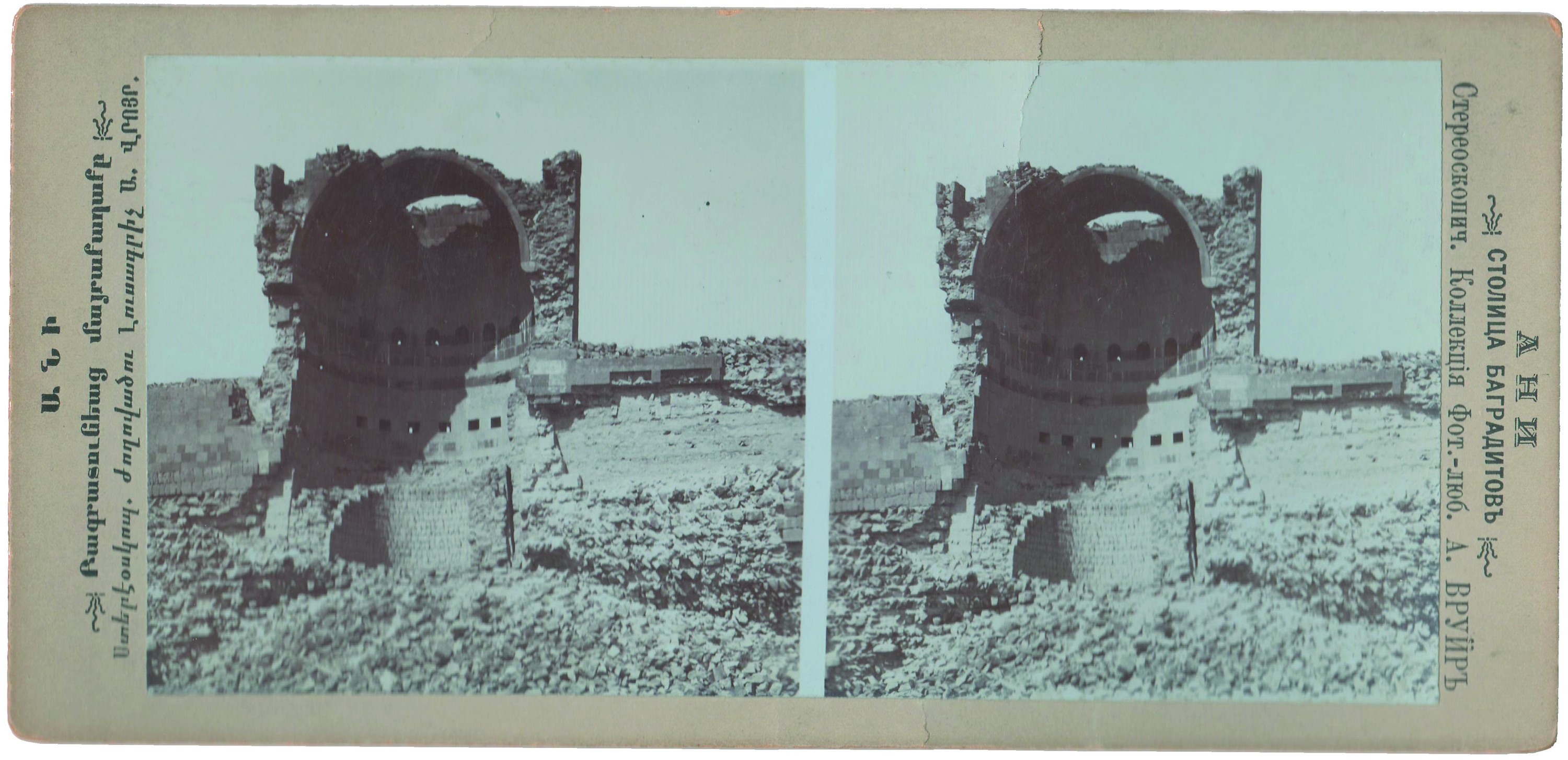
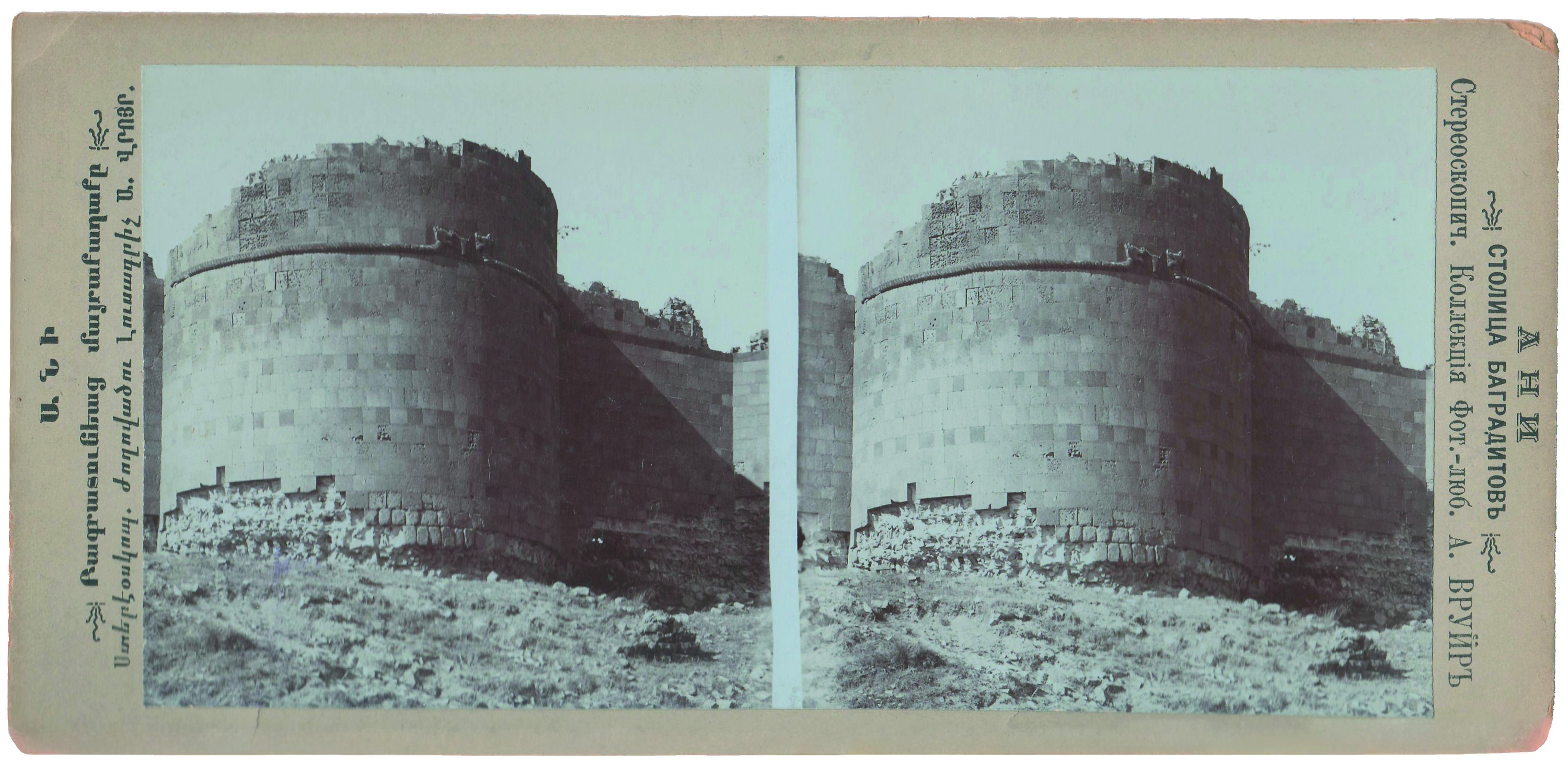
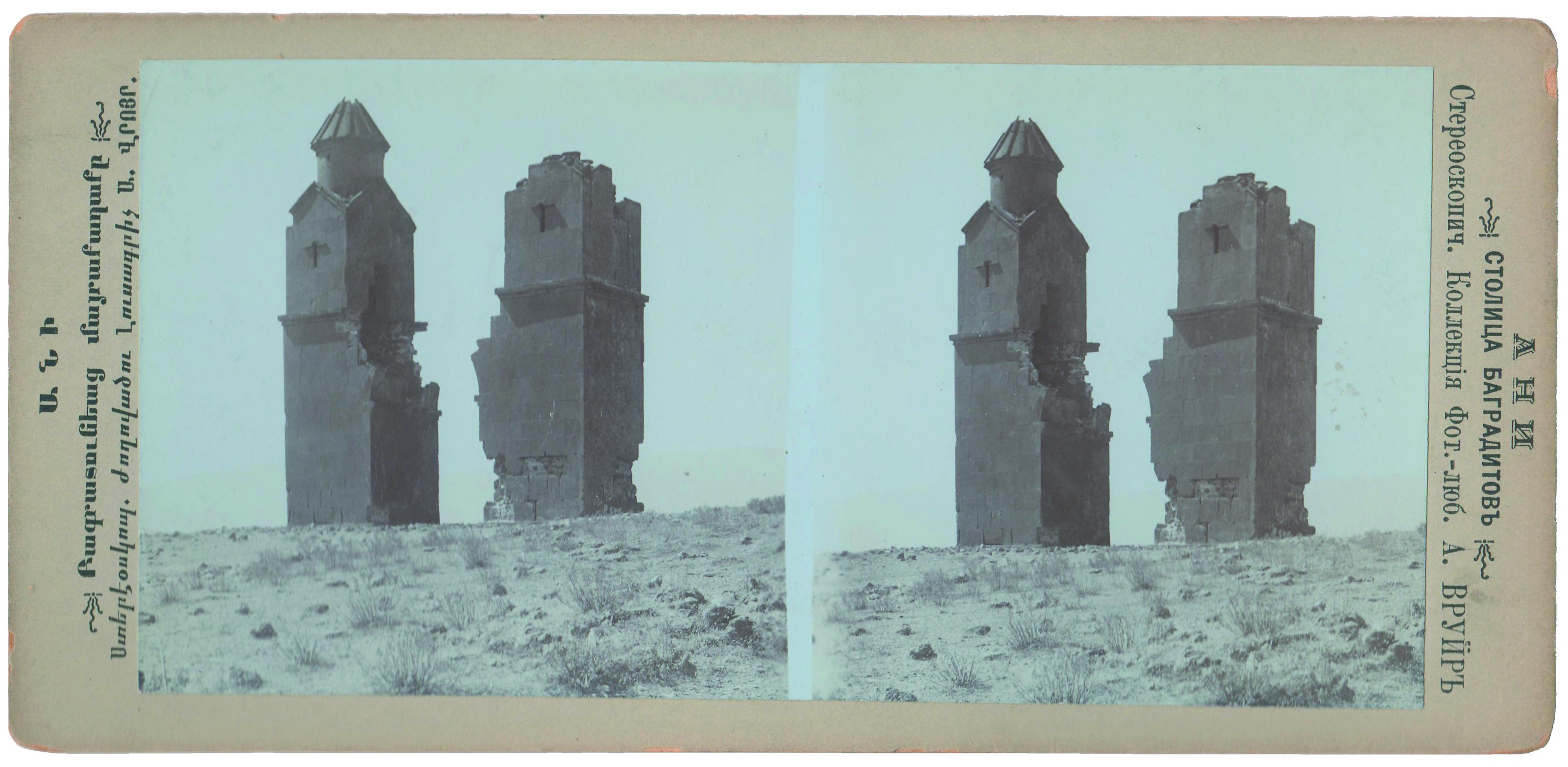
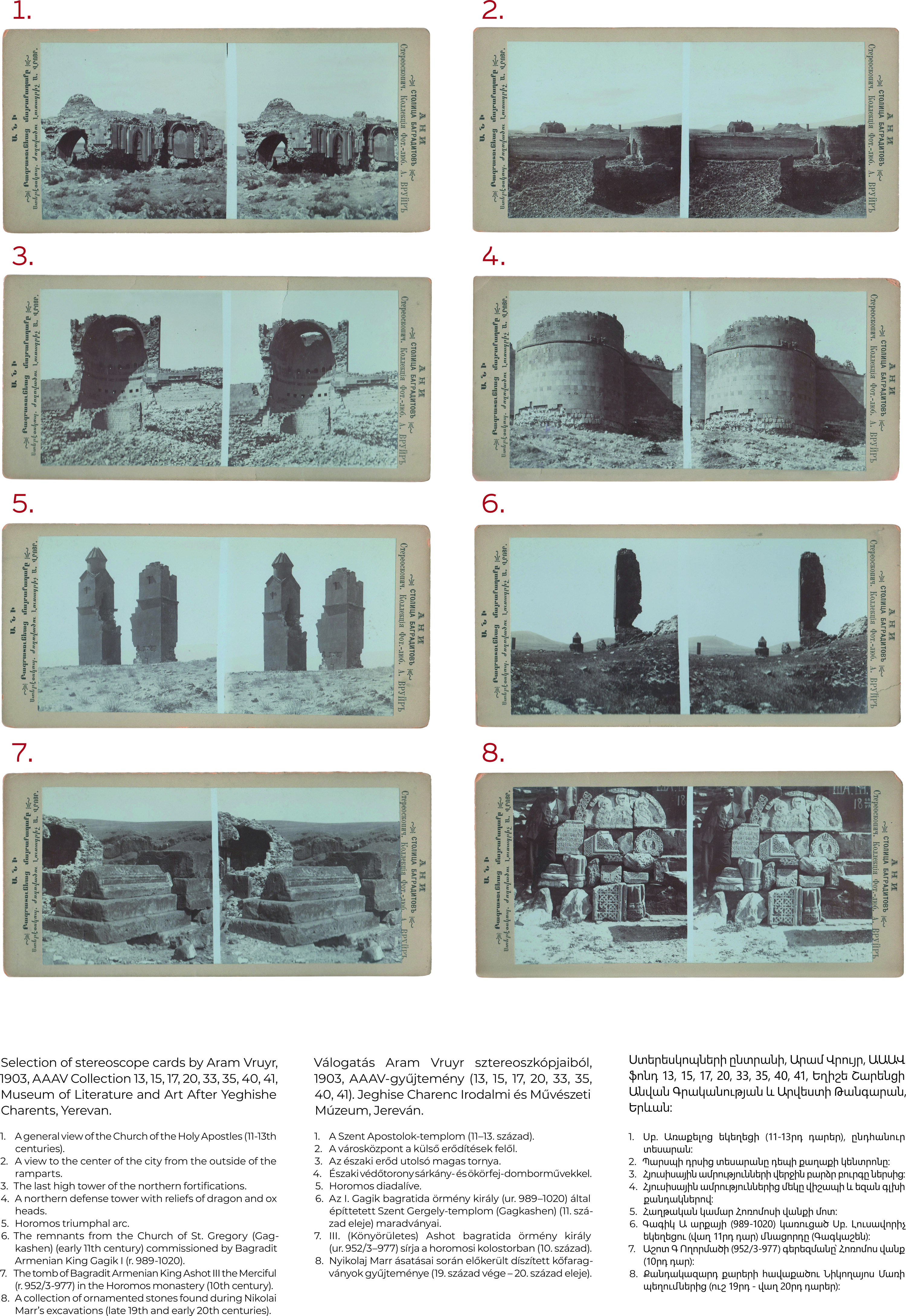
- Aram Vruyr, from Constantinople by birth, made a name for himself as a theater director and actor in Tiflis (Tbilisi), especially with the works of Western Armenian playwright and satirist Hagop Baronian. He also developed an interest in photography and was an apprentice to Ohannes Kurkdjian. Later, Aram Vruyr served as a photographer during Nikolai Marr’s excavations in Ani from 1904 to 1917 and assisted in the discovery of the Church of St. Gregory (Gagkashen). Ara Vruyr, the oldest son of Aram Vruyr, was also a photographer of monuments. But his younger brother, Artashes Vruyr, made a greater contribution as a photographer of various archeological expeditions, including with Marr in Ani. In 1964, Artashes Vruyr published the memoir Անիում (In Ani) in Soviet Armenia, which included photographs, and was republished in a supplemented form in 1979. The photographs by Aram and Artashes Vruyr appeared in various forms and contexts, ranging from scholarly publications, e.g., the Ani Series published by Marr, to popular ones such as stereographs and postcards. While continuing to be driven by the desire to protect Armenian national heritage, the images taken by the Vruyrs played an important role in shaping the Soviet reception of this heritage.
- Subjects:
- Aram Vruyr Ara Vruyr Artashes Vruyr Ohannes Kurkdjian Nikolai Marr Hagop Baronian Church of St. Gregory (Gagkashen) Photography
Citation:
"Aram (1863-1924), Ara (1896-1943) and Artashes (1897-1987) Vruyrs – Giants of Monument Photography", Ani, Leibniz Institute for the History and Culture of Eastern Europe (GWZO), /items/ani_012.html